



Long Reach Excavators For Sale: Best Machines For Dredging, Demolition, And Deep Excavation
 0 likes
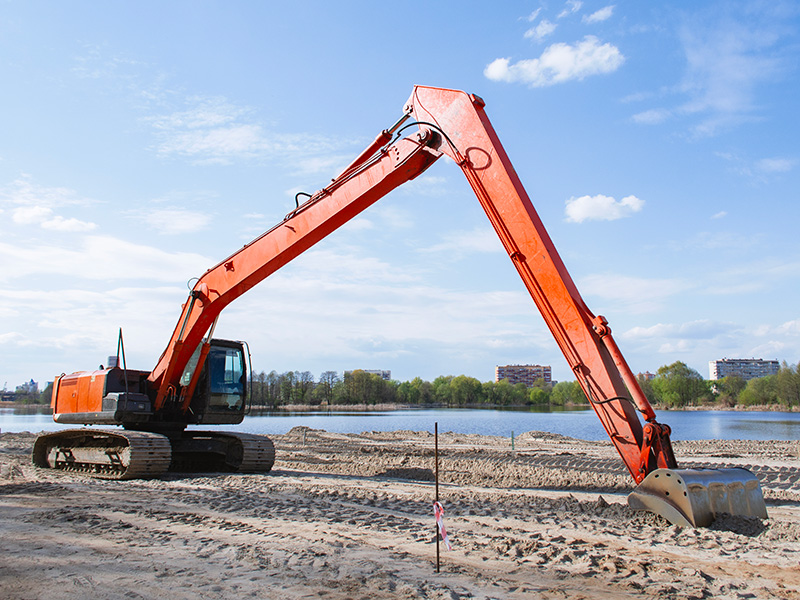
A long reach excavator is built for one thing a standard machine can't do well: working far beyond its own footprint. Extended boom and arm sections let it dig deeper, reach further out, and stay clear of unstable ground or structures - which is exactly why it's the default choice for dredging, high-reach demolition, and deep excavation work that a standard excavator simply can't handle safely. Most of these machines are long reach tracked excavators rather than wheeled models, since tracks give the stability and ground-bearing performance the extended boom needs to work safely at full extension.
What Is a Long Reach Excavator?
A long reach excavator swaps the standard boom and arm for extended, purpose-built sections - often adding several extra meters of horizontal reach and digging depth compared to a standard machine on the same base chassis. The undercarriage and counterweight are typically reinforced to keep the machine stable at that extended reach, since a longer arm shifts the load further from the machine's center of gravity. The practical result: a long reach model can dig a canal from the bank instead of the canal bed, or strip the upper floors of a structure from ground level, tasks that would put a standard excavator's arm - and the ground it's sitting on - well outside a safe working envelope. Nearly all long reach models are built on a crawler excavator base rather than a wheeled one, since tracks spread the machine's weight and hold it steady even as the boom's extended reach pushes the load further from center.
Key Applications
Dredging is the application long reach excavators are most associated with - clearing and deepening rivers, canals, ponds, reservoirs, and waterways from the bank rather than from a barge or the water itself. Demolition is the other major use case: reaching upper stories of a structure while the machine and operator stay a safe distance back, reducing the risk that comes with close-in demolition work. Beyond those two, long reach machines handle deep excavation for foundations, trenches, drainage systems, and large-scale earthworks where digging depth is the limiting factor; riverbank and shoreline work where ground stability near the water's edge makes close approach risky; slope and embankment maintenance; and mining or quarrying applications where extended reach reduces how often the machine needs to reposition across difficult terrain.
Why Choose a Long Reach Excavator
The core advantages all come back to distance: greater digging depth and horizontal reach than a standard machine, the ability to work areas a standard excavator can't safely access, and fewer repositioning moves across a job - which saves time on large sites. Working from stable, elevated ground while reaching down into unstable or wet terrain is often the single biggest safety advantage. Most long reach models retain compatibility with standard excavator attachments, so the extended reach doesn't come at the cost of attachment flexibility.
Key Specifications Buyers Should Compare
Maximum digging reach and maximum digging depth are the two numbers that matter most and should be measured against your actual project requirements, not just the manufacturer's headline spec. Beyond those, compare boom and arm length, operating weight, engine power, bucket capacity, hydraulic flow and pressure - since hydraulic performance directly affects cycle speed at extended reach - and lifting capacity and stability at full extension, which typically drops well below the machine's capacity at standard reach. Counterweight configuration matters more on long reach machines than standard ones, since it's doing more work to offset a longer arm. Track width and undercarriage construction are worth checking too - on a long reach tracked excavator, a wider or reinforced undercarriage translates directly into better stability at full extension, the same way it does on any heavy crawler excavator working soft or uneven ground.
Attachments to Consider
Dredging buckets, heavy-duty digging buckets, hydraulic breakers, grapples, demolition attachments, and clamshell buckets are the attachments most commonly paired with long reach machines, and the right one depends entirely on the application - a dredging bucket built for wet material handling isn't the attachment you want on a demolition job, and vice versa.
New vs. Used Long Reach Excavators
Buying used can make real sense on long reach machines given how specialized - and expensive new - they tend to be. The priorities on inspection: operating hours relative to the machine's typical service life, hydraulic system condition given how hard extended-reach hydraulics work, boom and arm condition with particular attention to weld points and pin wear, undercarriage wear, and a documented maintenance history - the same undercarriage checks that matter on any used crawler excavator, just with less margin for error given the extra stress a long boom puts on tracks and rollers. Given the added stress extended reach puts on the boom and hydraulics, a thorough pre-purchase inspection matters even more here than on a standard excavator.
Top Brands and What to Compare
Established manufacturers including Caterpillar, Komatsu, Hitachi, Volvo, Hyundai, and JCB all produce long reach configurations or long reach conversion kits on their standard platforms. Rather than picking by brand name alone, compare actual capability against your project: reach and depth figures, hydraulic performance at extension, and stability ratings vary enough between models that the right choice depends more on matching specs to the job than on brand loyalty.
Buying Considerations
Match reach and digging depth to your actual project needs rather than buying more machine than the job requires. Factor in transportation - long reach booms often need to be transported disassembled or with special permits given their extended dimensions. Evaluate ground conditions at your site, since machine stability at extended reach depends on firm footing. Consider what attachments you'll actually need and their impact on running costs, and check parts and service support availability in your region before committing, particularly for the extended boom and arm components that are specific to long reach configurations.
Browse available long reach excavators for sale on the marketplace, compare specifications side by side, and contact sellers directly for pricing, machine history, and current availability.
Leave a reply