



How Long Does An Excavator Last? Hours, Years, And What Kills Them Early
 0 likes
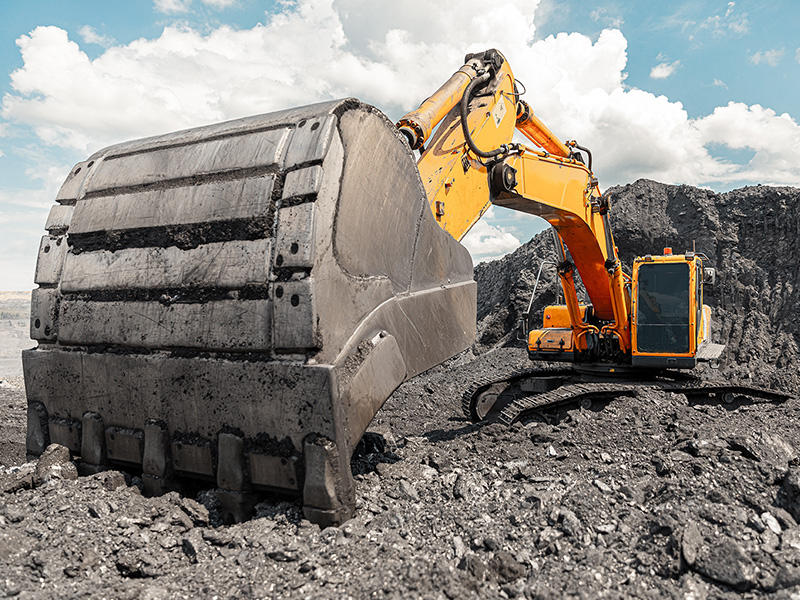
The industry benchmark most contractors and equipment appraisers work from is roughly 7,000 to 10,000 operating hours before a hydraulic excavator needs major component work - undercarriage, hydraulics, or engine rebuilds. That's not an end-of-life number so much as a decision point: with strong maintenance, plenty of machines run well past it, into the 15,000 to 20,000-hour range and occasionally beyond. Poor maintenance or harsh conditions can pull that same machine's effective working life down substantially before it ever hits the benchmark.
Hours vs Years: Translating the Benchmark to Your Timeline
An excavator's real lifespan is measured in operating hours, not calendar years, because two machines the same age can have wildly different histories depending on how hard they've worked. A machine running close to full-time on an active project might accumulate 2,000 hours a year, putting it near the 7,000–10,000-hour benchmark within four to five years. A machine used intermittently - a homeowner or small operation running it a few days a month - might take a decade or more to reach the same hour count. When you're evaluating a used machine, the hour meter matters far more than the model year on the registration.
What Shortens an Excavator's Working Life
A handful of factors reliably shorten an excavator's effective lifespan well below the benchmark. Poor or skipped maintenance is the single biggest one - deferred hydraulic fluid changes, ignored filter replacements, and delayed attention to early leaks compound into major failures far sooner than they would with disciplined servicing. Harsh working conditions take a toll too: constant exposure to sand and dust accelerates wear on seals and hydraulic components, a particularly relevant factor for machines working GCC desert and coastal sites, and prolonged water or salt exposure corrodes undercarriage and structural components faster than dry-climate operation. Overloading - running a machine consistently at or beyond its rated capacity - stresses hydraulics and structural components in ways that show up as premature failure long before the hour meter suggests the machine should be struggling.
What Extends an Excavator's Working Life
The inverse factors matter just as much. Regular, disciplined servicing on schedule rather than "when it starts acting up" is the single biggest lever an owner controls. Proper storage - undercover where possible, away from constant sun and sand exposure - measurably slows wear on seals, hoses, and paint-protected surfaces. And operator skill matters more than most buyers assume: a skilled operator who manages load, avoids unnecessary strain on the boom and undercarriage, and reports early warning signs promptly extends a machine's working life meaningfully compared to rough or careless operation, even on an identical machine doing identical work.
Checking Remaining Lifespan When Buying Used
The hour meter is the starting point, but it's not the whole picture - a meter can be tampered with or simply fail, so cross-check it against wear patterns that should roughly match the stated hours: bucket teeth wear, boom pin play, seat and control wear, and undercarriage condition. On tracked machines specifically, undercarriage wear is one of the most expensive things to find out about after purchase rather than before - track, sprocket, and roller wear should be inspected closely, since replacing a full undercarriage is a major expense that can erase whatever discount made the machine look like a deal. Engine condition - smoke color on startup, oil consistency, any unusual noise - rounds out a proper pre-purchase inspection, and a full service history, where available, tells you more than any single inspection can about how the machine was actually treated.
Warning Signs an Excavator Is Near End-of-Life
A few signs consistently point toward a machine approaching the end of its practical working life: hydraulic leaks that keep recurring after repair rather than staying fixed, undercarriage components worn past their service limits, engine performance that's noticeably degraded despite proper maintenance, and repair costs that are climbing as a share of the machine's remaining value - the point where fixing it costs more, relative to what it's worth, than replacing it.
Buying With Confidence
The hour count on its own tells you less than the hour count combined with a documented service history and a proper physical inspection. A 9,000-hour machine with full service records and evidence of careful operation can be a better buy than a 5,000-hour machine with gaps in its maintenance history and visible neglect. Browse used excavators with verified hour counts and service history on the marketplace to compare machines on the metrics that actually predict remaining working life.
Leave a reply