



Demand Breakdown: Which Sectors Drive Growth?
 0 likes
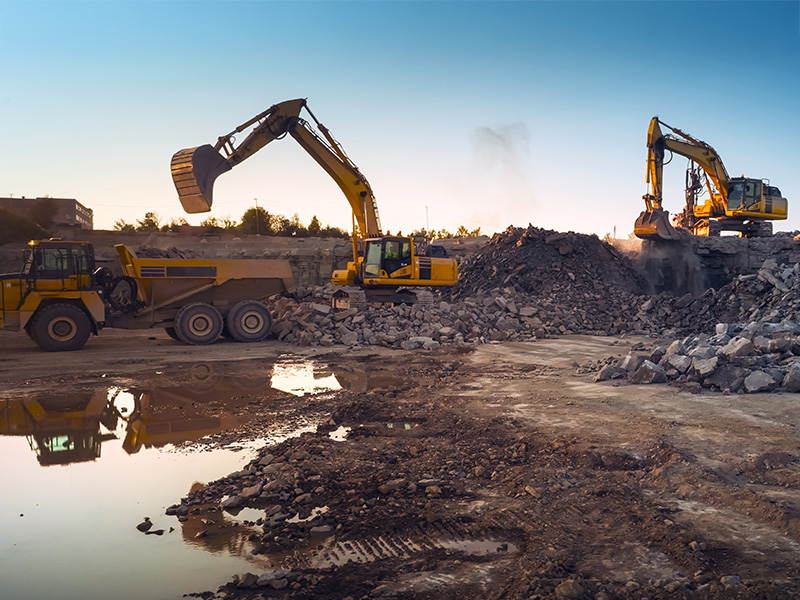
Three industries are currently reshaping heavy equipment markets in ways that haven't been seen since the post-war infrastructure boom. Data centers, energy infrastructure, and mining operations are consuming machinery at rates that have caught even seasoned dealers off guard-and the patterns emerging tell us something fundamental about where global capital is flowing right now.
The infrastructure trio driving sector demand
Walk onto any major construction site in Riyad or Dubai these days and you'll see something striking: rows of excavators and dozers working ground for structures that didn't exist in planning documents five years ago.
AI projects have created an almost unprecedented appetite for data center construction, which means power-massive amounts of it. That's pushing energy infrastructure development into overdrive, particularly electrical grid expansion and generation facilities that can handle loads previously reserved for small cities.
Here's the thing: this isn't happening in isolation. When you build data centers, you need reliable power generation nearby. When you expand power networks, you discover your aggregate supplies are strained. Suddenly quarry and mining operations are running double shifts to meet demand for construction materials. It's a cascade effect that's creating sustained equipment demand across multiple sectors simultaneously.
Road building, meanwhile, continues its steady march forward-less flashy than the AI boom, but representing the kind of baseline infrastructure work that keeps rental fleets occupied. What's changed is the urgency. Supply chain lessons from recent years have governments treating road connectivity as strategic infrastructure, not just convenience.
Where the equipment is actually going
Regional demand patterns reveal something counterintuitive. While tech hubs predictably show concentrated activity, the real story is in secondary markets-places with available land, existing electrical infrastructure that can be expanded, and regulatory environments that move projects forward. The southern United States has become a particular hotspot, not just for data centers but for the entire support ecosystem they require.
Look at the Permian Basin and you'll see mining equipment supporting both traditional extraction and the infrastructure serving it. Check industrial corridors in Southeast Asia and you'll find similar dynamics playing out, though often with different primary drivers-manufacturing expansion rather than data centers, for instance.
Europe presents its own pattern: renewable energy projects are the primary catalyst there, with wind and solar installations creating demand for specialized transport and foundation equipment. The equipment types might overlap with other sectors, but the deployment rhythms differ-renewables tend to cluster projects seasonally in ways that create interesting demand spikes.
What dealers are actually selling (and renting)
Equipment demand by sector breaks down in ways that challenge conventional wisdom. Data center projects consume massive amounts of earthmoving equipment during site prep, but relatively brief windows of activity. A three-month equipment rental surge might be followed by a year of nothing on that particular site. Energy infrastructure projects, by contrast, tend toward longer equipment engagements-substations and transmission line work unfold over extended timelines.
Mining and quarry operations have shifted notably toward rental models for auxiliary equipment. I've seen operations that own their primary extraction machinery but rent everything else-the calculation being that utilization rates on support equipment don't justify purchase. This represents a fundamental change from even a decade ago, when ownership was the default assumption.
The rental surge is particularly pronounced for specialized equipment. Articulated dump trucks, specialized excavators with particular boom configurations, grading equipment for precision work-these items are increasingly treated as services to be accessed rather than assets to be owned. Purchase decisions now cluster around core equipment where utilization stays consistently high.
Road building shows the most traditional ownership patterns, likely because projects are predictable and equipment use cases well-established. Even here, though, margins are pushing contractors to reconsider. Why own ten motor graders when six owned and four rented covers your actual utilization curve?
What this means for dealers moving forward
Equipment dealers face a landscape requiring unusual flexibility. The winning approach isn't picking a sector-it's building rental fleets that can pivot between sectors as demand shifts. A crawler excavator working data center site prep in Q2 might be on a mining operation in Q4. That kind of utilization requires logistics sophistication that many regional dealers haven't needed before.
Finance teams need to get comfortable with rental revenue as the primary metric, not secondary. The ratio is shifting decisively, and dealers structuring their businesses around equipment sales with rental as supplementary income are miscalculating badly.
Most importantly: sector demand volatility is the new baseline. The sectors driving growth today will certainly continue, but their geographic footprints and intensity will shift as projects complete and new ones break ground. Dealers who can read these patterns early-who know when southern U.S. data center construction is cresting and where the next wave will hit-will be the ones writing purchase orders while competitors are still analyzing last quarter's numbers.
Leave a reply