



Why The Africa Opportunity Is One Equipment Dealers In The Middle East Cannot Afford To Sit On
 0 likes
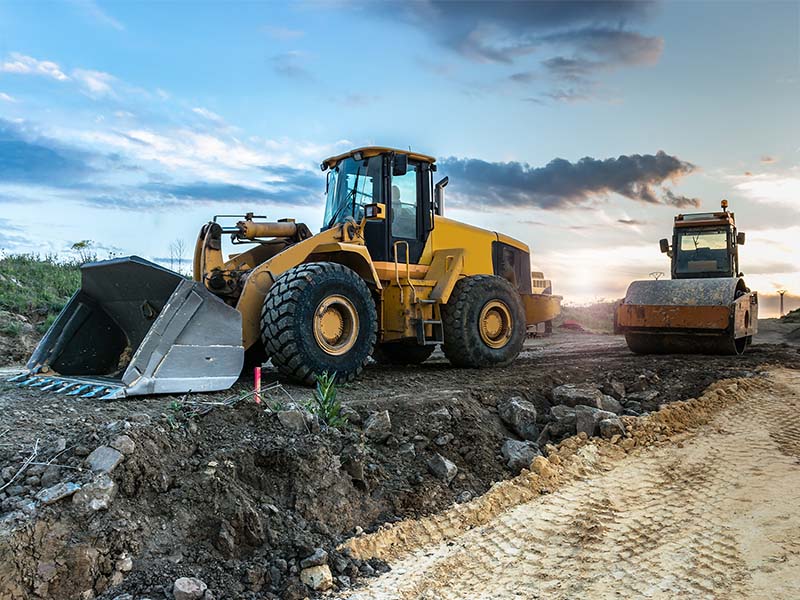
There is a shift happening - quiet, steady, and accelerating - that machinery dealers across the UAE, Saudi Arabia, Egypt, and Jordan are only beginning to reckon with. Africa is building. Not metaphorically. Physically. Roads, ports, data centres, agricultural irrigation networks, mining operations sprawling across the Sahel. And someone has to supply the iron.
For equipment dealers positioned in the Middle East, this is not a distant trend to watch. The question is whether they move now, or watch others fill the gap.
The Trade Corridor That's Quietly Reshaping Regional Commerce
UAE to Africa trade flows have grown dramatically over the past decade, with Dubai alone functioning as a re-export hub that funnels everything from construction equipment to agricultural machinery into East and West African markets. The numbers are not trivial. The UAE-Africa trade relationship was valued at over AED 110 billion in recent years, and equipment export to Africa represents a meaningful and expanding slice of that figure.
What most people miss here is that this isn't just a Dubai story. Saudi Arabia, as it pours capital into Vision 2030 and the audacious NEOM megaproject, is simultaneously recalibrating its international trade positioning. Saudi dealers, who have spent years focused on domestic demand driven by construction booms at home, are now sitting on distribution networks and supplier relationships that could be redirected - with relatively modest effort - toward African clients hungry for the same category of machinery.
Egypt is perhaps the most naturally positioned player. Geographically wedged between the Arab world and the African continent, with Port Said and Alexandria serving as genuine maritime gateways, Egyptian dealers have a logistical head start that their Gulf counterparts have to work to match. Frankly, Egypt has been slower than it should be to capitalise on this. The bureaucratic drag is real. But that may be changing.
What Dealers Actually Get Wrong When They Try to Enter African Markets
Look, the failure mode here is predictable. A dealer in Sharjah or Amman hears about demand in Nigeria or Tanzania, throws together a quick export strategy, and then discovers - too late - that the market requires a level of post-sale support infrastructure they haven't built. Spare parts availability, trained technicians on the ground, financing arrangements that work for buyers with different credit structures. These are not afterthoughts. They are the product.
I've seen this go wrong when companies treated Africa as a dumping ground for older inventory - machines with high hours, limited warranty support, questionable documentation. That approach poisons relationships fast, and word travels. African markets, particularly in construction and agriculture, are not monolithic; a bad reputation in Nairobi does not automatically spread to Accra, but a good one can.
The dealers gaining real traction - and there are some - have approached export opportunities through the lens of partnership, not transaction. That means finding a reliable local agent or distributor, someone with actual roots in the market, not just a name on a contract. It means visiting. Getting on a plane and sitting across the table from your counterpart in Dar es Salaam or Kigali, because in most African business cultures - much like across the Arab world - the relationship precedes the deal.
Dealer Strategies That Actually Work in This Context
The machinery dealers in the Middle East who are building durable Africa businesses share a few specific habits.
They localise financing. Many African buyers cannot access conventional trade credit on Western terms. Dealers who partner with regional development finance institutions - or who work with banks in the UAE and Egypt already active in African trade - remove the single biggest friction point in the sales cycle.
They pick lanes. Sub-Saharan infrastructure demand is not the same as North African agri-equipment demand, which is not the same as Southern African mining needs. The dealers doing well have identified one or two sectors, one or two geographies, and gone deep before going wide.
And they invest in after-sales. This sounds obvious. It rarely gets done properly. The dealers who establish even a modest service partnership in-country - a trained local technician, a stocked container of fast-moving spare parts - see repeat business. The ones who don't, don't.
The Africa demand story is not coming. It is here. For machinery dealers across the Middle East sitting on capacity, supplier relationships, and institutional knowledge built over decades, the argument for engaging this market is genuinely compelling. The argument for waiting, less so.
What changes between now and three years from now is simply who got there first.
Leave a reply