



When Diesel Burns Through The Budget: Fuel Costs And The Future Of Heavy Equipment In The Middle East
 1 like
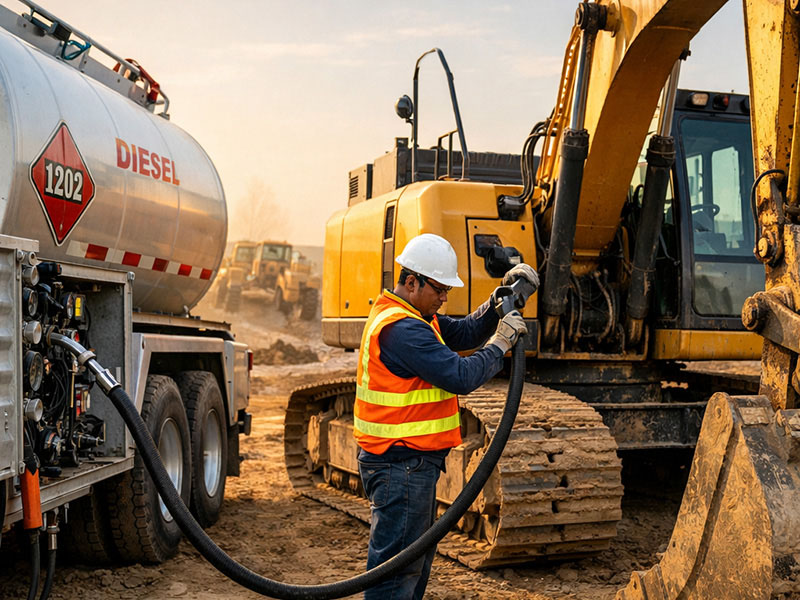
The equipment yards tell you everything before anyone opens their mouth. Walk through a rental depot in Jeddah or a contractor's lot on the outskirts of Cairo and you'll notice the same thing: older machines that would have been retired two years ago are still running. Some are being refurbished. A few are back from storage. The diesel price surge rattling construction sites from the Gulf to the Levant isn't just a line item headache - it's reshaping what contractors buy, rent, and tolerate.
The Numbers Behind the Pain
Fuel cost for heavy equipment in the Middle East has become, bluntly, the conversation. GCC contractors who locked in project bids before the price spikes of 2022–2023 found themselves absorbing losses that eroded margins they simply didn't have room to lose. In Egypt, where diesel subsidies have been progressively rolled back under IMF-aligned fiscal reform, the impact on mid-sized construction firms has been severe - particularly for those running older fleets with fuel consumption rates that belong to a different era.
What makes this especially brutal is the timing. Saudi Arabia's Vision 2030 agenda has generated an unprecedented pipeline of infrastructure work - NEOM, the Red Sea Project, and Diriyah - and contractors across the region scrambled to mobilise equipment for a construction boom that, ironically, arrived alongside some of the sharpest increases in operating costs in a generation. The opportunity is there. Accessing it profitably is the problem.
Equipment Demand Is Shifting - Not Shrinking
Here's the thing most surface-level analysis misses: demand for heavy equipment in the Middle East hasn't collapsed. What's changed is its character.
Contractor margins are under sustained pressure, which means procurement decisions that were once made with some flexibility are now made with a near-forensic focus on cost-per-operating-hour. That number - diesel prices in construction GCC markets being what they are - now dominates purchasing conversations in ways it didn't five years ago.
The shift to used equipment is the clearest visible symptom. In the UAE, dealers in the Al Quoz industrial corridor report meaningful upticks in inquiries for second-hand machines, particularly excavators and motor graders in the 5–10 year age bracket. Buyers in Jordan and Oman are showing similar patterns. The calculation is straightforward: a used machine at half the purchase price, even one that consumes more fuel, can still come out ahead when the alternative is financing a new unit at current interest rates.
But - and this is where it gets interesting - the used-equipment trend isn't the whole story.
Fuel Efficiency Has Moved From Selling Point to Selection Criterion
In my experience covering this sector, fuel efficiency used to be a differentiator that OEMs would tout and buyers would acknowledge politely before moving on to price and availability. That's over. Buyers are now asking for specific fuel consumption data at various load cycles before deals get serious. Komatsu's hybrid excavator lines, Volvo's EC-series machines with their ECO mode systems, and Caterpillar's Gen 3 engines - all of which offer documented fuel savings in the 10–25% range depending on application - are getting serious attention in markets where they previously struggled to compete on sticker price alone.
This fuel efficiency focus isn't altruism. It's arithmetic.
A contractor running twenty machines across a major road contract in Riyadh can see the difference between a 15% fuel saving and standard consumption translate to millions of riyals over a contract cycle. Mohammed Al-Rashid, a procurement manager I spoke with at a mid-sized Saudi contractor, put it plainly: "We used to buy the machine. Now we buy the fuel consumption number, and the machine comes with it."
What the Market Looks Like From Here
The outlook is genuinely mixed - not in a hand-wavy, everything-will-be-fine way, but in a structurally complex way that requires honesty.
Vision 2030-linked giga-projects will continue pushing equipment demand upward. That's real, and it's not going away. But the profile of who can actually compete for that work is narrowing. Firms with modern, fuel-efficient fleets and the financial headroom to absorb volatility are better positioned than those running older iron on thin margins. The middle tier of contractors - competent, experienced, but under-capitalised - is under genuine pressure.
Egypt's market remains one to watch carefully. If the government proceeds with further subsidy rationalisation, the pressure on local contractors will intensify, potentially pushing more of them toward equipment rental rather than ownership - which, incidentally, is already happening in pockets of Alexandria and the Tenth of Ramadan industrial zone.
The machines are still moving. The money it takes to move them just costs considerably more. And that, more than any geopolitical trend or megaproject announcement, is the force quietly reorganising the heavy equipment sector across this region.
Leave a reply