



How Middle East Dealers Are Quietly Reshaping Africa's Construction Boom
 0 likes
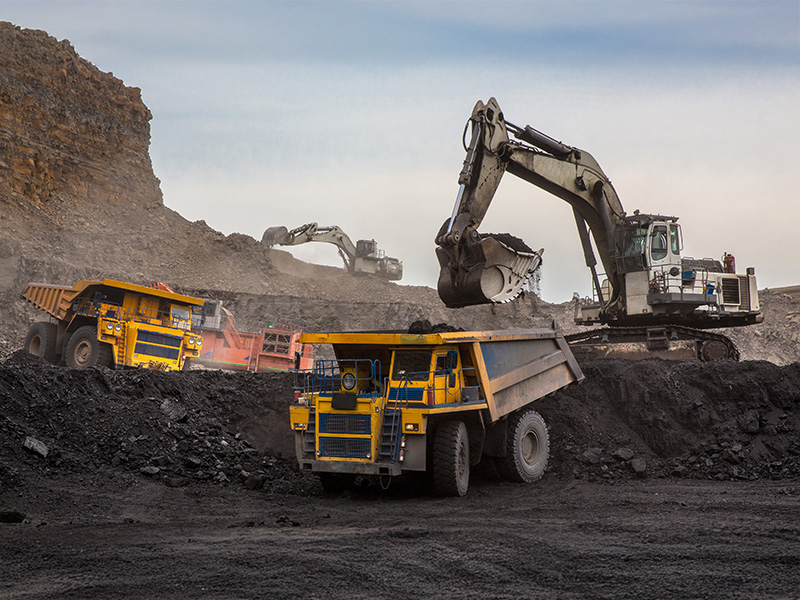
Walk through any equipment yard in Sharjah or Dammam on a Thursday afternoon and you'll spot them: container trucks lined up, loading well-worn Caterpillar excavators and Volvo wheel loaders bound for Lagos, Nairobi, or Dar es Salaam. This isn't some fringe trade anymore. Heavy equipment export to Africa has become one of the Gulf's less-discussed but rapidly growing commercial arteries -connecting Middle Eastern dealers with African contractors who need machines yesterday and can't stomach brand-new price tags.
The numbers tell part of the story. Over the past five years, UAE equipment dealers alone have shipped tens of thousands of used machines southward. But the real story lives in the why and the how -the gritty logistics, the trust-building across borders, and the fact that a 2015 excavator sold in Dubai might spend its second life digging foundations for a mall in Accra.
Why African Buyers Keep Coming Back to the Gulf
Price. That's the blunt answer.
A contractor in Kampala or Abidjan faces a choice: buy a new 20-ton excavator for $180,000, or grab a well-maintained 2014 model from a Jebel Ali dealer for $65,000. Both do the job. One doesn't bankrupt the project before it starts.
Africa's infrastructure push -highways, housing, power grids -has created ravenous demand for affordable equipment. New machines? They're a luxury most small and mid-sized firms can't justify. Used gear from the Middle East, though, hits a sweet spot: decent condition, fair pricing, and crucially, machines that have been maintained in relatively clean, dry climates. (A five-year-old loader that's worked Saudi Arabia's climate holds up better than one that's been through a decade of monsoon seasons elsewhere.)
There's also trust. Gulf dealers have built reputations. Many have been in the game for 20-plus years, first serving the local construction booms -remember Dubai's frenzy from 2002 to 2008? -and now pivoting as those markets mature. They know how to refurbish, how to document service history, and how to move inventory fast. African buyers have learned that a well-run yard in Ras Al Khaimah is often more reliable than middlemen elsewhere.
The Machines That Move
Not all equipment crosses borders equally. Three categories dominate the machinery export Middle East Africa pipeline:
Excavators -hydraulic excavators in the 15- to 30-ton range. These are the workhorses of road projects and site prep. Brands like Komatsu, Hyundai, and Caterpillar move steadily.
Wheel loaders -compact and mid-sized models. Popular on African construction sites because they're versatile: loading trucks, pushing material, light digging. A good used loader is gold.
Dump trucks and tippers -especially rigid-frame models. Infrastructure projects eat through these, and buying used means contractors can field more units for the same budget.
Throw in some mobile cranes, graders, and compactors, and you've mapped 85% of what leaves Gulf ports for African destinations. The pattern holds whether you're talking a dealer in Riyadh or a smaller operator in Amman.
Export Hubs: Where the Trade Lives
The UAE is the undisputed heavyweight here. Dubai and Sharjah host the region's densest concentration of equipment dealers, many clustered in Ras Al Khor and the industrial zones ringing Jebel Ali. These aren't just showrooms -they're sprawling yards with in-house mechanics, parts inventory, and shipping coordinators who know every RoRo vessel schedule by heart.
Saudi Arabia comes next. As Vision 2030 projects like NEOM and the Red Sea Development ramp up, older fleets from previous projects are cycling out -and much of that gear finds second homes across the Red Sea or down the coast. Dammam and Jeddah serve as key export points.
Even smaller players in Jordan and Egypt participate, though their volumes are more modest. What matters is the ecosystem: freight forwarders who specialize in equipment, inspection services that provide third-party verification, and a business culture where handshake deals still carry weight -but are increasingly backed by proper contracts and digital documentation.
The Logistics Puzzle
Shipping heavy equipment isn't like moving containers of shoes. You're dealing with RoRo (roll-on/roll-off) vessels or break-bulk cargo, port handling fees that vary wildly, and customs processes in African markets that can be... let's say unpredictable.
Most routes run from Jebel Ali or Jeddah to Mombasa, Dar es Salaam, Durban, or West African ports like Tema and Apapa. Transit times range from two to four weeks, depending on routing and port congestion. Smart dealers build those delays into their quotes and help buyers navigate import documentation -because nothing kills a deal faster than a machine stuck in customs limbo for three months.
Here's what most people miss: logistics costs can swing a deal. A buyer in landlocked Uganda pays significantly more in total landed cost than one in coastal Kenya, even if the machine price is identical. Experienced Middle Eastern exporters factor this in and sometimes offer tiered pricing based on final destination.
How Online Marketplaces Changed the Game
Ten years ago, this trade ran almost entirely on personal networks and word-of-mouth. Today? Digital platforms have cracked it open.
Online marketplaces connecting buyers and sellers -think regional platforms and specialized equipment listing sites -let an African contractor browse hundreds of machines from his office in Kigali, compare specs, request videos, and initiate a deal without flying to Dubai first. Sellers benefit too: broader reach, faster inventory turns, and the ability to build digital reputations through verified reviews and transaction histories.
The best platforms offer escrow-like services, third-party inspections, and shipping coordination. They're not perfect, and in-person visits still happen for big-ticket purchases. But the friction has dropped dramatically. What used to take three trips and six weeks can now happen in ten days with one video call and a solid inspection report.
What Comes Next
The Middle East–Africa equipment corridor isn't slowing down. If anything, it's diversifying. Chinese brands -already popular in Africa -are entering Middle Eastern markets, and those machines will eventually cycle into the used market too. Hybrid and electric equipment is trickling in, which will create interesting dynamics as that gear ages.
One thing I've seen shift: African buyers are getting sharper. They know the questions to ask, they demand service records, and they're not afraid to walk from a sketchy deal. That's healthy. It pushes Gulf dealers to maintain standards and weeds out the operators trying to offload junk.
The trade will keep humming because the fundamentals hold. Africa needs machines. The Middle East has them. And between those two truths sits a network of dealers, forwarders, and digital platforms making it happen -one excavator, one container, one port at a time.
Leave a reply