




Post Date:
May 19, 2026
|
Heavy Duty, Light On Downtime: Choosing Reliable Equipment For Your Projects
Heavy Duty, Light On Downtime: Choosing Reliable Equipment For Your Projects
Post Date:
May 19, 2026
|
Brought to you by

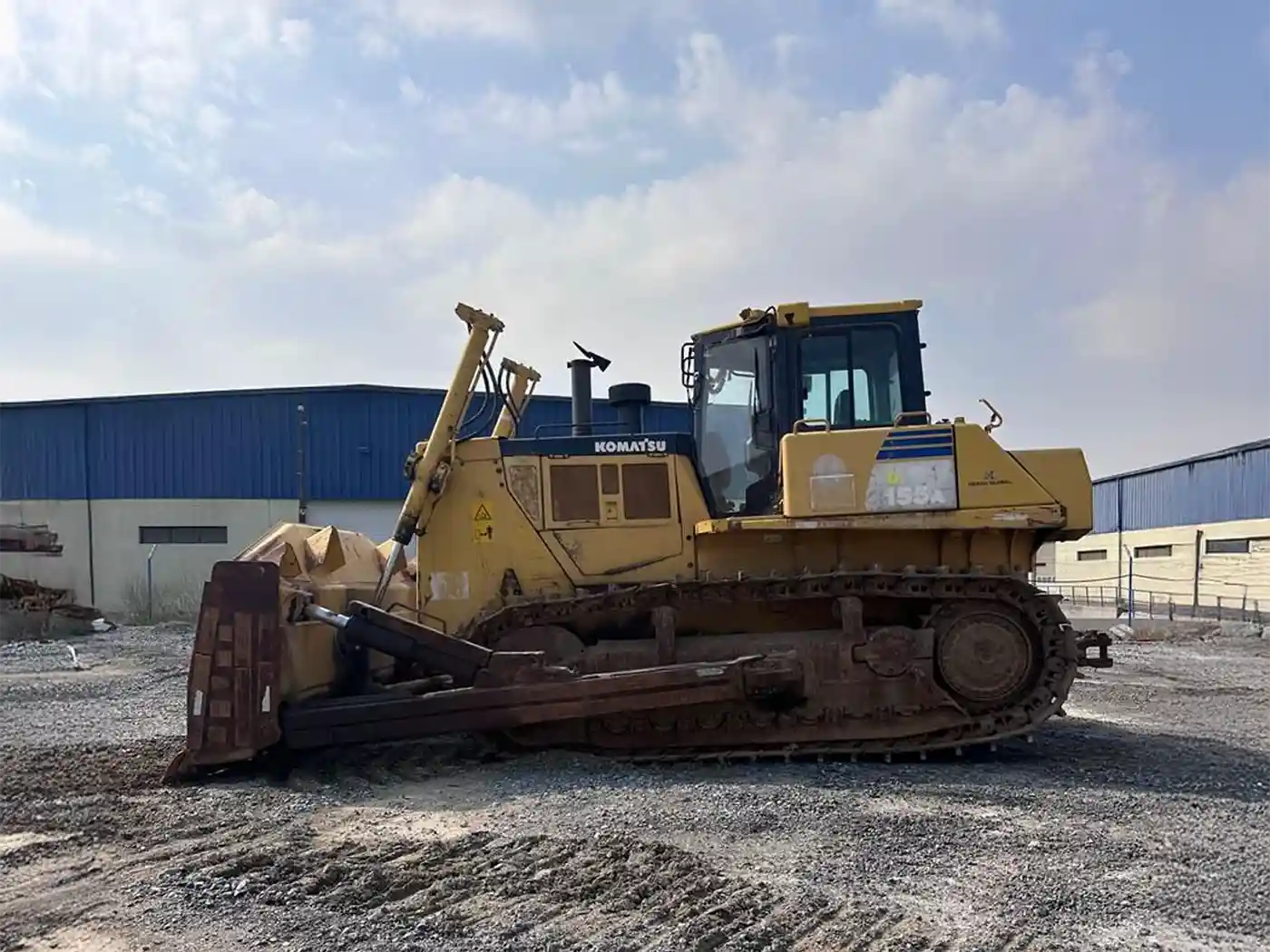
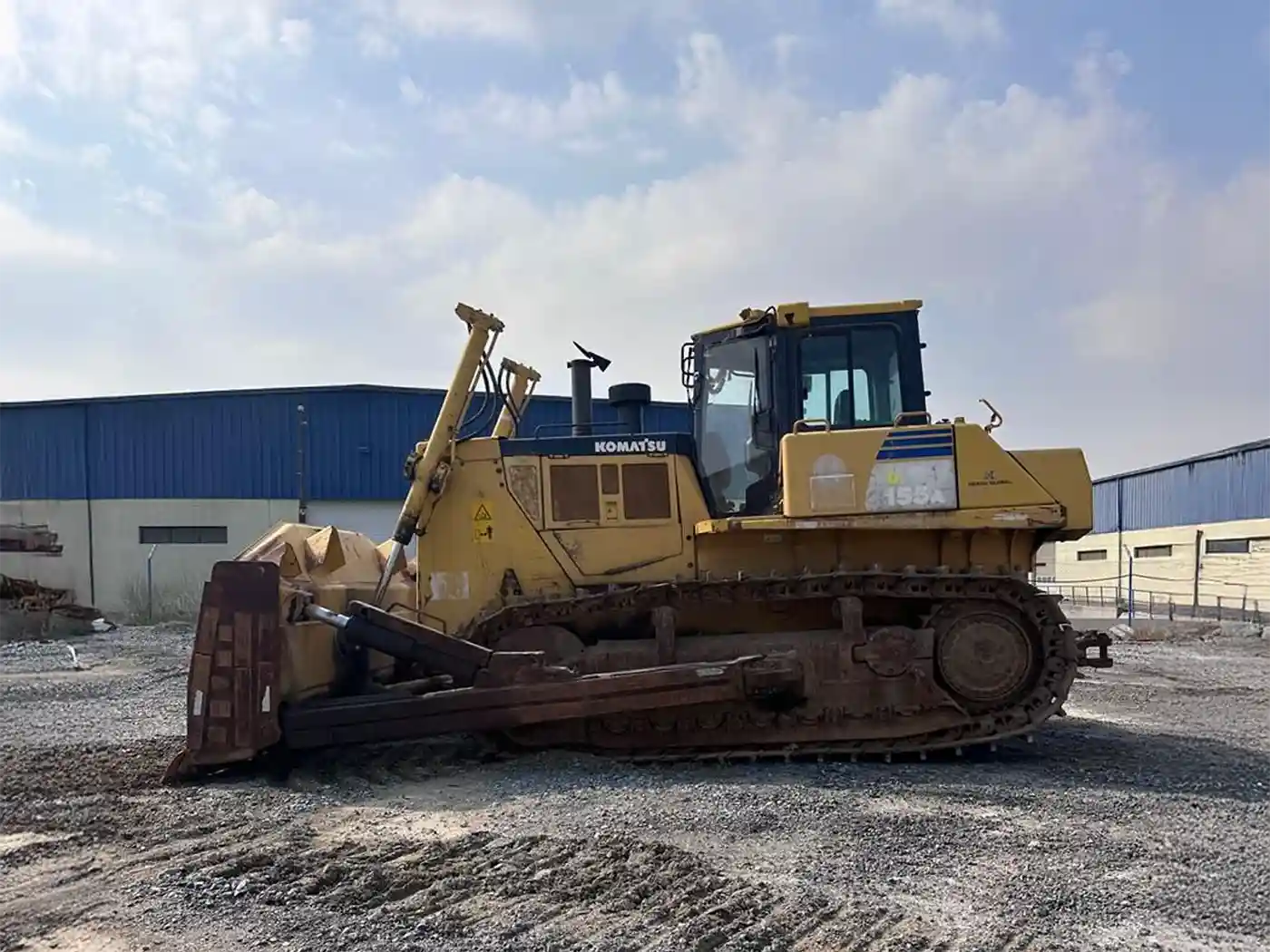
As construction timelines get tighter, equipment reliability is becoming one of the most critical factors affecting project success. A single unexpected breakdown can halt operations, delay milestones, and quickly escalate costs. In today’s high-pressure environment, choosing dependable heavy equipment is not just about performance—it’s about ensuring continuity, controlling costs, and maintaining profitability.
Reliable equipment starts with strong engineering and proven durability. Machines built for heavy-duty applications are designed to perform under extreme conditions, from high temperatures to challenging terrains. High-quality components, reinforced structures, and efficient hydraulic systems ensure consistent output on-site. When selecting equipment, it is essential to evaluate not only its power but also its ability to sustain that performance over long working hours.
From an ROI perspective, reliability plays a direct role in maximizing returns. Equipment with higher uptime, lower maintenance needs, and better fuel efficiency significantly reduces operating costs. This leads to a lower total cost of ownership while ensuring that more working hours are productive and revenue-generating. Simply put, dependable machines help businesses do more with less, improving overall project margins.
Maintenance efficiency is another critical factor in reducing downtime. Equipment that is easy to service allows for quicker inspections and faster turnaround times. Features such as ground-level access to service points, centralized lubrication systems, and clear diagnostic displays simplify routine maintenance. This proactive approach helps identify minor issues early, preventing major failures and costly repairs.
Technology has become a key enabler of reliability. Modern machines equipped with telematics systems provide real-time insights into performance, fuel consumption, and machine health. These data-driven tools allow fleet managers to plan maintenance schedules effectively and address potential issues before they impact operations. The result is improved efficiency and reduced unplanned downtime.
Fuel efficiency also contributes to overall value. Reliable machines are designed to optimize fuel usage without compromising performance. Advanced engine systems and intelligent power management help reduce fuel consumption, lowering operational expenses and supporting long-term savings.
Pre-owned equipment is increasingly being recognized as a smart investment option. Well-maintained, low-hour machines can deliver performance comparable to new units at a significantly lower cost. When sourced from reputable suppliers, these machines are thoroughly inspected and ready for immediate deployment, offering both reliability and value.
Operator comfort and safety should not be overlooked. Ergonomic cabins, intuitive controls, and enhanced visibility improve operator efficiency and reduce fatigue. A well-supported operator is more productive and less prone to errors, which further minimizes the risk of downtime.
Ultimately, choosing reliable heavy equipment is about balancing performance, durability, and cost-efficiency. Investing in machines that deliver consistent output with minimal interruptions ensures projects stay on schedule and within budget. In an industry where every hour counts, the right equipment is key to achieving heavy-duty performance with light downtime.
Sponsored by
Hexco Global is a trusted leader in the global construction machinery trade, specializing in the sale of new and used equipment across 35 countries on six continents. With perational branches in the UAE, USA, India, and China, we ensure top-quality machinery and eamless service to meet diverse industry needs. From earthmoving equipment to road construction machines, Hexco provides reliable, cost-effective solutions that drive progress and innovation. Committed to excellence,sustainability, and customer satisfaction, we empower businesses worldwide to build a stronger,more efficient future.
Choose Hexco Global – your partner in constructing success.


Sponsored by
Hexco Global is a trusted leader in the global construction machinery trade, specializing in the sale of new and used equipment across 35 countries on six continents. With perational branches in the UAE, USA, India, and China, we ensure top-quality machinery and eamless service to meet diverse industry needs. From earthmoving equipment to road construction machines, Hexco provides reliable, cost-effective solutions that drive progress and innovation. Committed to excellence,sustainability, and customer satisfaction, we empower businesses worldwide to build a stronger,more efficient future.
Choose Hexco Global – your partner in constructing success.
This article was written and sponsored by Hexco Global.
To feature your business in sponsored content, contact: sales@plantandequipment.com