




Post Date:
May 04, 2026
|
Global Demand For Used Equipment: Why Buyers Are Shifting Smartly
Global Demand For Used Equipment: Why Buyers Are Shifting Smartly
Post Date:
May 04, 2026
|
Brought to you by
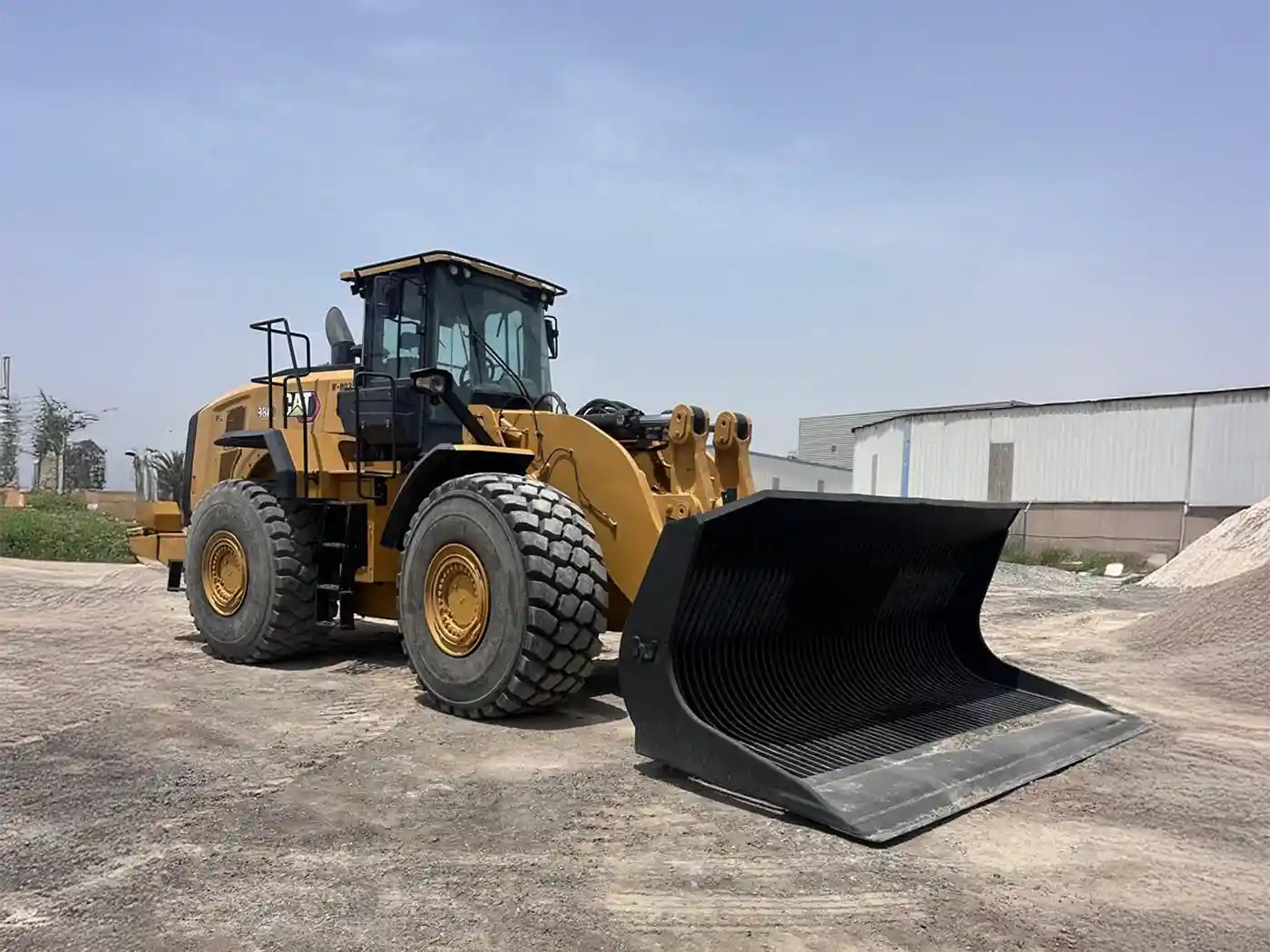
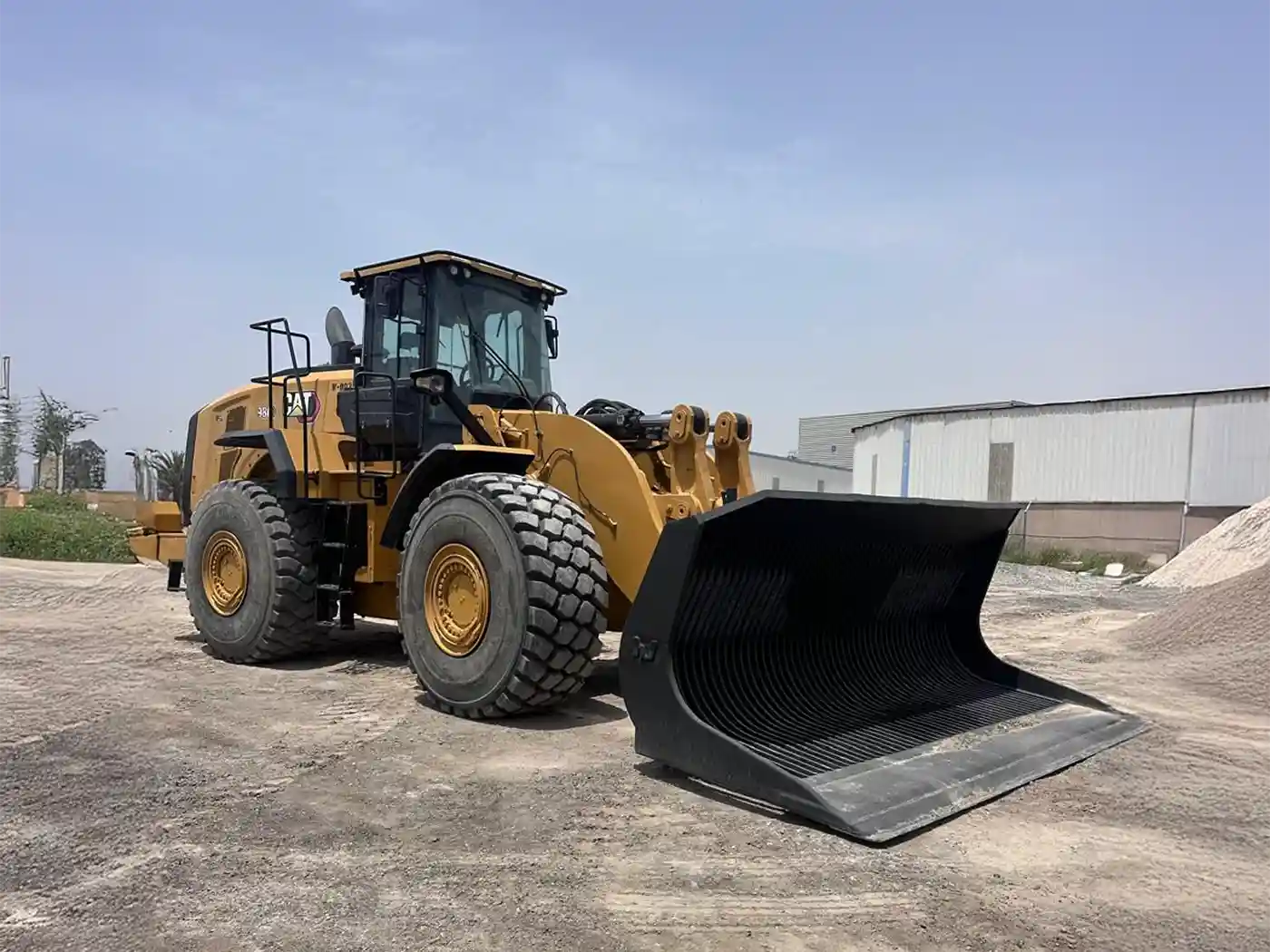
Across the construction, mining, and infrastructure sectors, the shift toward used equipment is accelerating at a remarkable pace. Industry estimates suggest that pre-owned machinery can cost 30–50% less than new equipment, while still delivering comparable performance in many applications. At the same time, project timelines are tightening and capital efficiency is becoming a priority, pushing buyers to rethink traditional procurement strategies. The result is a growing global preference for used equipment as a practical, value-driven solution.
One of the primary reasons behind this shift is cost efficiency. New machinery often requires a significant upfront investment, while well-maintained used equipment offers similar performance at a fraction of the price. This allows companies to allocate capital more effectively—whether for fleet expansion, workforce development, or entering new markets. In highly competitive industries, this financial flexibility directly improves cash flow and overall project viability.
Another driving factor is immediate availability. Unlike new machines that may involve long production and delivery timelines, used equipment is typically ready for deployment. For businesses handling urgent contracts or working within strict deadlines, this quick access helps avoid costly delays and ensures project continuity.
Reliability is no longer the concern it once was. Today, reputable suppliers ensure that machines undergo comprehensive inspections, servicing, and quality checks before resale. Many low-hour, late-model units deliver performance very close to new equipment. This has significantly increased buyer confidence, making used machinery a dependable choice for critical operations.
The global nature of the equipment market has further strengthened this trend. Buyers now benefit from price advantages across regions, where equipment sourced from one market may be more competitively priced than in another due to supply-demand dynamics. Additionally, global sourcing provides access to better specification availability—including higher-capacity machines, specialized configurations, or premium brands that may not be readily available locally. This expanded choice allows businesses to match equipment precisely to project requirements while optimizing costs.
Sustainability is another key factor influencing this shift. By investing in used equipment, companies extend the lifecycle of existing machines and reduce the demand for new manufacturing. This approach helps lower environmental impact and aligns with the growing focus on sustainable and responsible operations.
Technological advancements have also enhanced the value of used machinery. Many modern machines come equipped with advanced features such as fuel-efficient engines, improved hydraulics, and operator-friendly controls. Even as pre-owned units, these machines retain their technological benefits, ensuring strong performance and productivity on-site.
Ultimately, the increasing demand for used equipment reflects a smarter, more strategic approach to fleet management. Buyers today are prioritizing value, availability, and performance without overextending capital. In an industry where efficiency and cost control are critical, investing in quality used machinery is proving to be a forward-thinking decision—one that keeps projects moving while maximizing long-term returns.
Sponsored by
Hexco Global is a trusted leader in the global construction machinery trade, specializing in the sale of new and used equipment across 35 countries on six continents. With perational branches in the UAE, USA, India, and China, we ensure top-quality machinery and eamless service to meet diverse industry needs. From earthmoving equipment to road construction machines, Hexco provides reliable, cost-effective solutions that drive progress and innovation. Committed to excellence,sustainability, and customer satisfaction, we empower businesses worldwide to build a stronger,more efficient future.
Choose Hexco Global – your partner in constructing success.


Sponsored by
Hexco Global is a trusted leader in the global construction machinery trade, specializing in the sale of new and used equipment across 35 countries on six continents. With perational branches in the UAE, USA, India, and China, we ensure top-quality machinery and eamless service to meet diverse industry needs. From earthmoving equipment to road construction machines, Hexco provides reliable, cost-effective solutions that drive progress and innovation. Committed to excellence,sustainability, and customer satisfaction, we empower businesses worldwide to build a stronger,more efficient future.
Choose Hexco Global – your partner in constructing success.
This article was written and sponsored by Hexco Global.
To feature your business in sponsored content, contact: sales@plantandequipment.com