



The Gulf's Heavy Equipment Dealers Are Quietly Building Africa's Infrastructure Boom
 0 likes
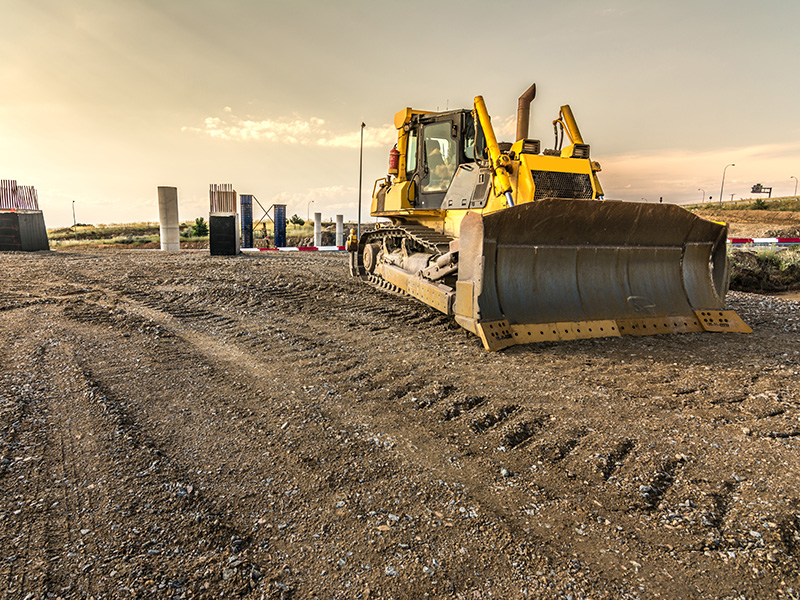
Walk through any construction site in Nairobi or Lagos and you'll spot the yellow flash of Caterpillar excavators, the distinctive livery of Volvo loaders-and increasingly, the inventory codes of Dubai and Riyadh dealers stenciled on the chassis. UAE machinery exports to Africa have surged 340% since 2019, according to Dubai Customs data. Not aid packages. Not donor-funded handouts. Commercial sales, paid invoices, recurring service contracts. Middle Eastern equipment dealers are moving into African markets with the kind of strategic intent usually reserved for oil field acquisitions.
Here's what's driving it: Africa needs to build everything, and the Gulf has spent two decades perfecting the machinery supply chains to do exactly that.
Equipment Trade Between Regions: More Than Geographic Convenience
The relationship started pragmatically. Jebel Ali Free Zone became a transshipment hub for Chinese and European manufacturers targeting both Gulf mega-projects and African infrastructure builds. But around 2018, something shifted. UAE-based dealers stopped merely warehousing equipment for Africa and started positioning the continent as a primary growth market.
Al-Futtaim, one of the region's oldest equipment distributors, opened dedicated African sales offices in Kenya and Ghana. Zahid Group, a Saudi powerhouse in Caterpillar distribution, established cross-border financing schemes that let Ethiopian contractors purchase machines with payment terms structured around harvest cycles and government disbursement schedules. That's not opportunistic spot trading-that's market development.
The logistics piece matters more than most people realize. Heavy equipment trade between Africa and the Gulf hinges on maritime routes that connect Jebel Ali, Dammam, and Salalah to Mombasa, Durban, and Tema with weekly sailing schedules. Equipment that once took 60+ days to ship from European ports now moves in 10–14 days from Dubai. Speed translates to working capital efficiency for African contractors operating on tight project timelines.
And there's this: Gulf dealers understand heat, dust, and supply chain fragility in ways their Western competitors simply don't. A Volvo dealer in Stockholm has never had to explain to a client why you need three backup fuel filters when the nearest parts depot is 800 kilometers away on questionable roads. A dealer in Sharjah? That's Tuesday.
Why Africa Is a Growing Market (And Why Gulf Dealers Are Positioned to Win It)
Africa's infrastructure deficit is staggering-$100 billion annually by African Development Bank estimates. But the opportunity isn't speculative anymore. Major corridors are under construction: the Standard Gauge Railway linking East African capitals, the Lamu Port-South Sudan-Ethiopia Transport Corridor, Lagos-Abidjan coastal highway extensions. These aren't PowerPoint visions. They're active sites burning through excavators, graders, and compactors at a rate that would make a Dubai Metro extension look modest.
Chinese contractors dominate the build-out, yes. But they don't dominate equipment finance or after-sales service networks-and that's where Gulf dealers are carving out durable positions. What most people miss here is the difference between selling a machine and operating a dealer network. The former is transactional. The latter requires parts inventory, trained technicians, warranty infrastructure, and the kind of relationship capital that takes years to build.
Consider the numbers: a $250,000 excavator generates roughly $800,000 in parts, service, and rebuild revenue over its operational life. Gulf dealers learned this during the UAE's own construction explosion. They watched Western OEMs (original equipment manufacturers) extract long-term value not from initial sales but from decades of service contracts. Now they're replicating that model across Africa, establishing parts depots in secondary cities like Kisumu and Kumasi where international competitors see only logistical headaches.
Vision 2030 plays an indirect but meaningful role here. Saudi Arabia's economic diversification push has forced domestic equipment dealers to seek revenue beyond the Kingdom's now-maturing construction market. Africa offers exactly that: a 20-year infrastructure runway with demographic tailwinds and a mineral extraction boom that requires everything from haul trucks to hydraulic shovels.
There's also a financing angle that doesn't get enough attention. Gulf-based Islamic finance institutions-Emirates Islamic, Al Baraka Banking Group-have developed Sharia-compliant equipment leasing products that appeal to both Muslim-majority African nations and contractors wary of conventional interest-bearing loans. That's not a niche advantage. That's a structural competitive edge in markets where religious considerations shape procurement decisions.
The Dealer Networks Taking Shape
The expansion follows two distinct models. The first: direct dealership extensions. UAE firms open wholly owned subsidiaries in African markets, replicating the service infrastructure they've built across the Gulf. Capital-intensive. Slow. But it yields control over customer experience and brand equity.
The second model is more interesting-partnership-based expansion. Gulf dealers identify local distributors with existing customer relationships, inject capital and training, and co-brand service centers. Riyadh-based Abdullatif Jameel, for instance, partnered with Kenyan distributor Mantrac to expand Toyota material handling equipment across East Africa. They didn't buy Mantrac outright. They essentially turbocharged its capacity with Gulf financing, inventory access, and technical training programs developed during Saudi Arabia's own industrial build-out.
Logistics routes to East and West Africa have become genuine competitive battlegrounds. The East Africa route-Dubai to Mombasa, then inland via Nairobi-handles the bulk of equipment destined for Kenya, Uganda, Rwanda, and South Sudan. Think crawler dozers for road projects, wheeled loaders for aggregate quarries. West Africa runs through Tema (Ghana) and Apapa (Nigeria), serving the coastal economies and Sahelian landlocked states.
But here's the thing: these aren't just shipping lanes. They're service ecosystems. A bulldozer sold in Dubai gets tracked via GPS throughout its journey, with arrival notifications triggering pre-positioned technician deployment for on-site commissioning. That level of supply chain integration-common in the Gulf, rare in Africa-creates switching costs for contractors who'd otherwise chase the lowest equipment price.
Outlook: What Happens When the Oil Money Meets the Mining Boom
Africa's next decade will be defined by mineral extraction-lithium in Zimbabwe, cobalt in DRC, rare earths in Tanzania. That requires specialized equipment: underground loaders, articulated haulers, drill rigs with dust suppression systems. Precisely the machinery categories where Gulf dealers have built expertise supplying regional mining operations in Oman and Saudi Arabia.
The real test will be parts availability during Africa's inevitable infrastructure slowdowns. When a government changes or a financing package stalls mid-project, contractors mothball equipment. Gulf dealers who've pre-positioned parts inventory and flexible service contracts will retain those customers. Those who treated Africa as a dump market for aging fleet units? They'll learn expensive lessons about residual value and reputation.
One more thing. The Gulf's expat workforce dynamics-engineers from India and Pakistan, technicians from the Philippines-have created a template for training programs that work across linguistic and cultural contexts. African equipment dealers are hiring from this same talent pool, and Gulf parent companies are rotating technicians through Dubai and Riyadh for advanced certifications. That's not just capacity building. That's ecosystem design.
Heavy equipment trade between Africa and the Gulf won't plateau anytime soon. The incentives align too cleanly: Africa needs to build, the Gulf needs post-oil diversification revenue, and the logistics infrastructure to connect them already exists. What began as opportunistic transshipment has become a structured, multi-billion dollar market expansion-one excavator, one service contract, one regional parts depot at a time.
Leave a reply