




Post Date:
Dec 26, 2025
|
What Buyers Should Check Before Purchasing Used Construction Machinery
What Buyers Should Check Before Purchasing Used Construction Machinery
Post Date:
Dec 26, 2025
|
Brought to you by

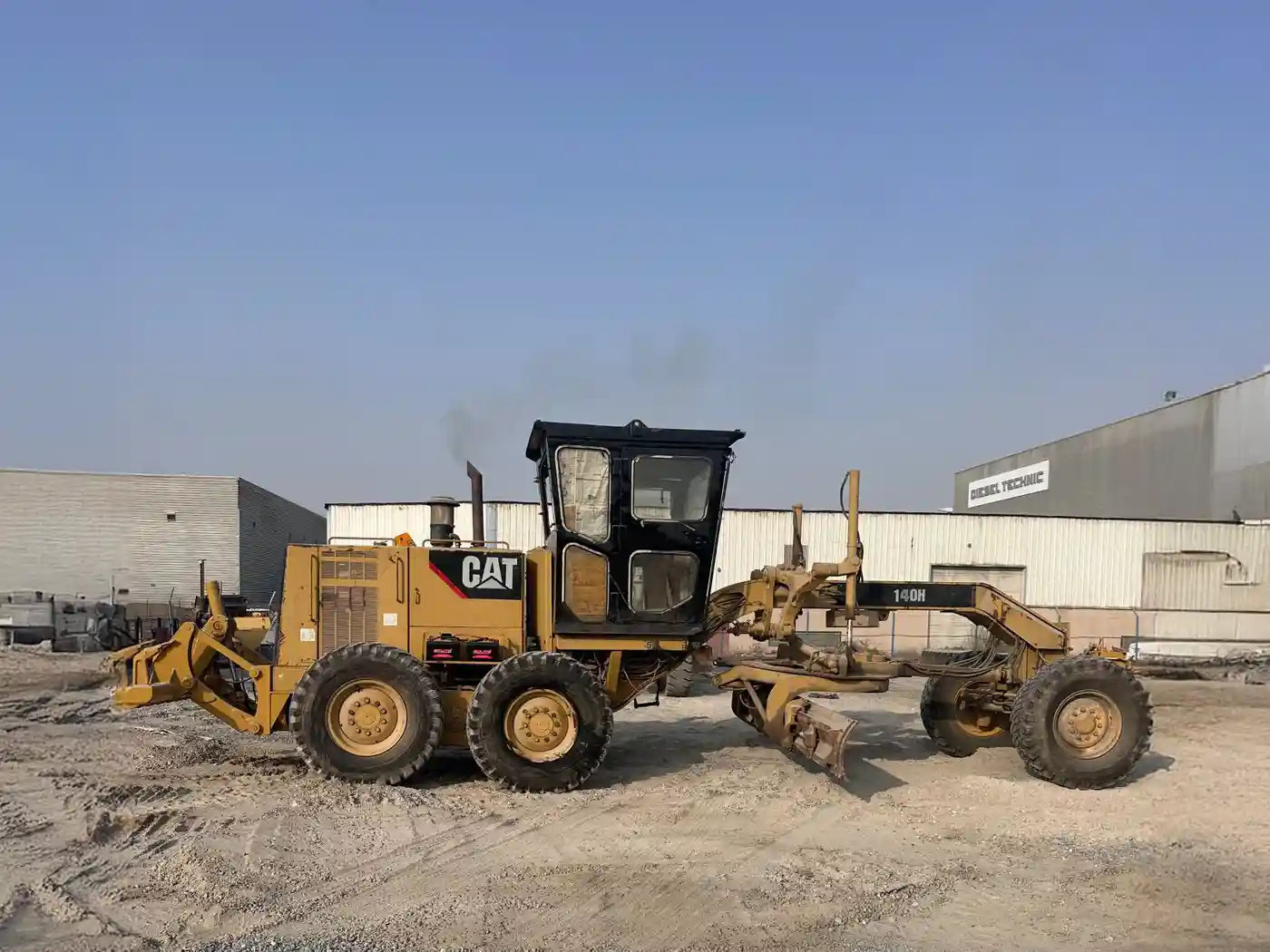
Purchasing used construction machinery is a smart and cost-effective decision for many contractors, fleet owners, and equipment traders. However, without proper checks, it can quickly turn into an expensive mistake. To ensure value for money and avoid operational or legal issues, buyers must carefully evaluate several critical factors before finalizing a deal.
1. Machine History and Ownership Details
One of the most important checks is verifying the ownership history of the construction machinery. Buyers should confirm that the seller is the legitimate owner and that the ownership details match across invoices, registration documents, and shipping records. Any discrepancy can lead to legal disputes, delays in shipment, or issues during resale. Clear and accurate documentation builds trust and ensures a smooth transaction.
2. Hours of Operation and Usage
Operating hours provide valuable insight into the machine’s actual wear and tear. While lower hours generally indicate less usage, buyers should also consider how the machine was used. Equipment working in harsh environments such as mining or heavy demolition may experience more stress even with moderate hours. Comparing usage hours with service records helps validate the machine’s condition.
3. Maintenance and Service Records
Well-maintained construction machinery lasts longer and performs more reliably. Buyers should request complete maintenance and service records, including oil changes, part replacements, and major repairs. Regular servicing by authorized dealers or qualified technicians is a positive sign. A lack of records may indicate neglected maintenance, increasing the risk of unexpected breakdowns.
4. Physical Inspection and Condition
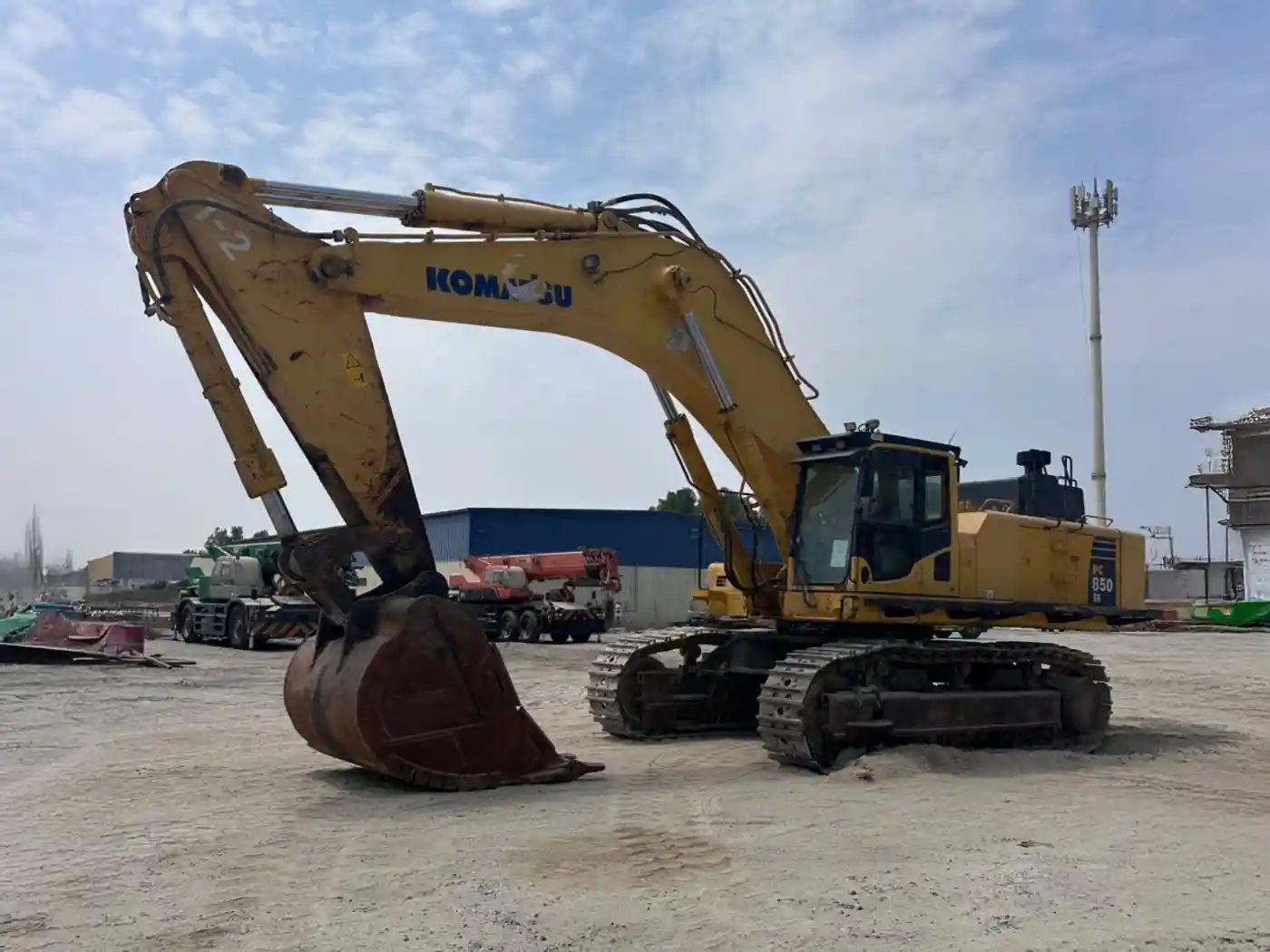
A thorough physical inspection is essential. Buyers should check for visible signs of wear, corrosion, oil leaks, cracks, or weld repairs. Key components such as the engine, hydraulics, transmission, undercarriage, and electrical systems should be carefully evaluated. Whenever possible, conducting an on-site inspection or hiring a professional equipment inspector can help identify hidden issues.
5. Availability of Spare Parts and Support
Before purchasing used construction equipment, buyers should ensure that spare parts are readily available in their region. Machines from discontinued models or uncommon brands may have limited support, leading to higher downtime and maintenance costs. Choosing equipment with strong dealer networks and service support improves long-term operational efficiency.
6. Compliance and Import Regulations
For cross-border transactions, buyers must verify that the machinery complies with local regulations, emission standards, and import requirements. Incorrect or missing documentation can cause customs delays, penalties, or even rejection at the port. Ensuring compliance beforehand saves time and avoids unnecessary expenses.
7. Resale Value and Market Demand
Even when purchasing for immediate use, resale value matters. Buyers should research current market demand for the specific model and brand. Construction machinery with strong resale value provides better return on investment and greater flexibility for future fleet upgrades.
Final Thoughts
Buying used construction machinery can be a profitable decision when done right. By checking ownership details, machine condition, maintenance history, and regulatory compliance, buyers can significantly reduce risks and make informed purchasing decisions. Careful evaluation not only protects investment but also ensures reliable performance on-site.
Sponsored by
Hexco Global is a trusted leader in the global construction machinery trade, specializing in the sale of new and used equipment across 35 countries on six continents. With perational branches in the UAE, USA, India, and China, we ensure top-quality machinery and eamless service to meet diverse industry needs. From earthmoving equipment to road construction machines, Hexco provides reliable, cost-effective solutions that drive progress and innovation. Committed to excellence,sustainability, and customer satisfaction, we empower businesses worldwide to build a stronger,more efficient future.
Choose Hexco Global – your partner in constructing success.


Sponsored by
Hexco Global is a trusted leader in the global construction machinery trade, specializing in the sale of new and used equipment across 35 countries on six continents. With perational branches in the UAE, USA, India, and China, we ensure top-quality machinery and eamless service to meet diverse industry needs. From earthmoving equipment to road construction machines, Hexco provides reliable, cost-effective solutions that drive progress and innovation. Committed to excellence,sustainability, and customer satisfaction, we empower businesses worldwide to build a stronger,more efficient future.
Choose Hexco Global – your partner in constructing success.
This article was written and sponsored by Hexco Global.
To feature your business in sponsored content, contact: sales@plantandequipment.com