




Post Date:
Oct 13, 2026
|
Repair, Rebuild Or Replace? Making The Right Decision For Ageing Heavy Equipment
Repair, Rebuild Or Replace? Making The Right Decision For Ageing Heavy Equipment
Post Date:
Oct 13, 2026
|
Brought to you by

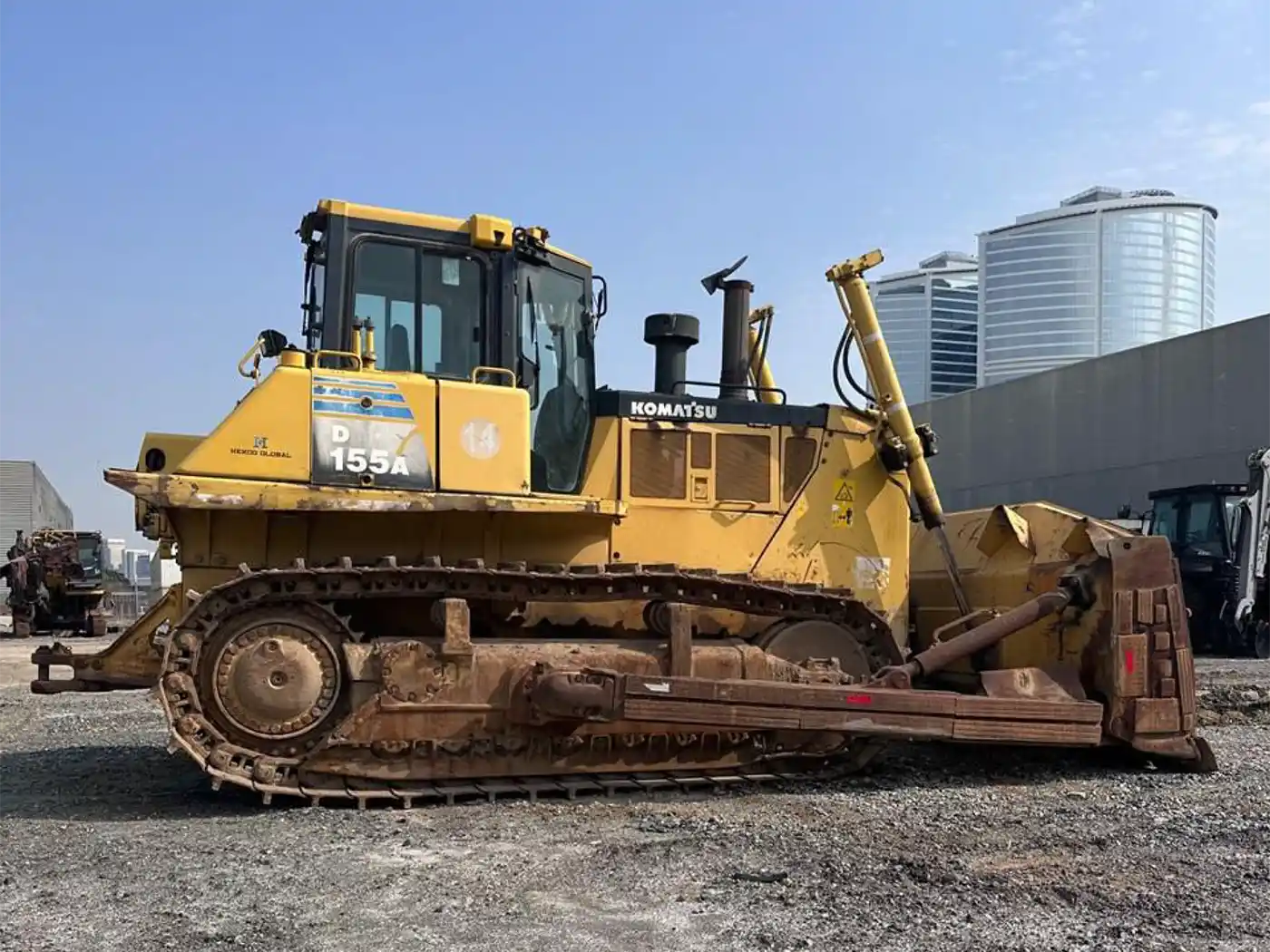
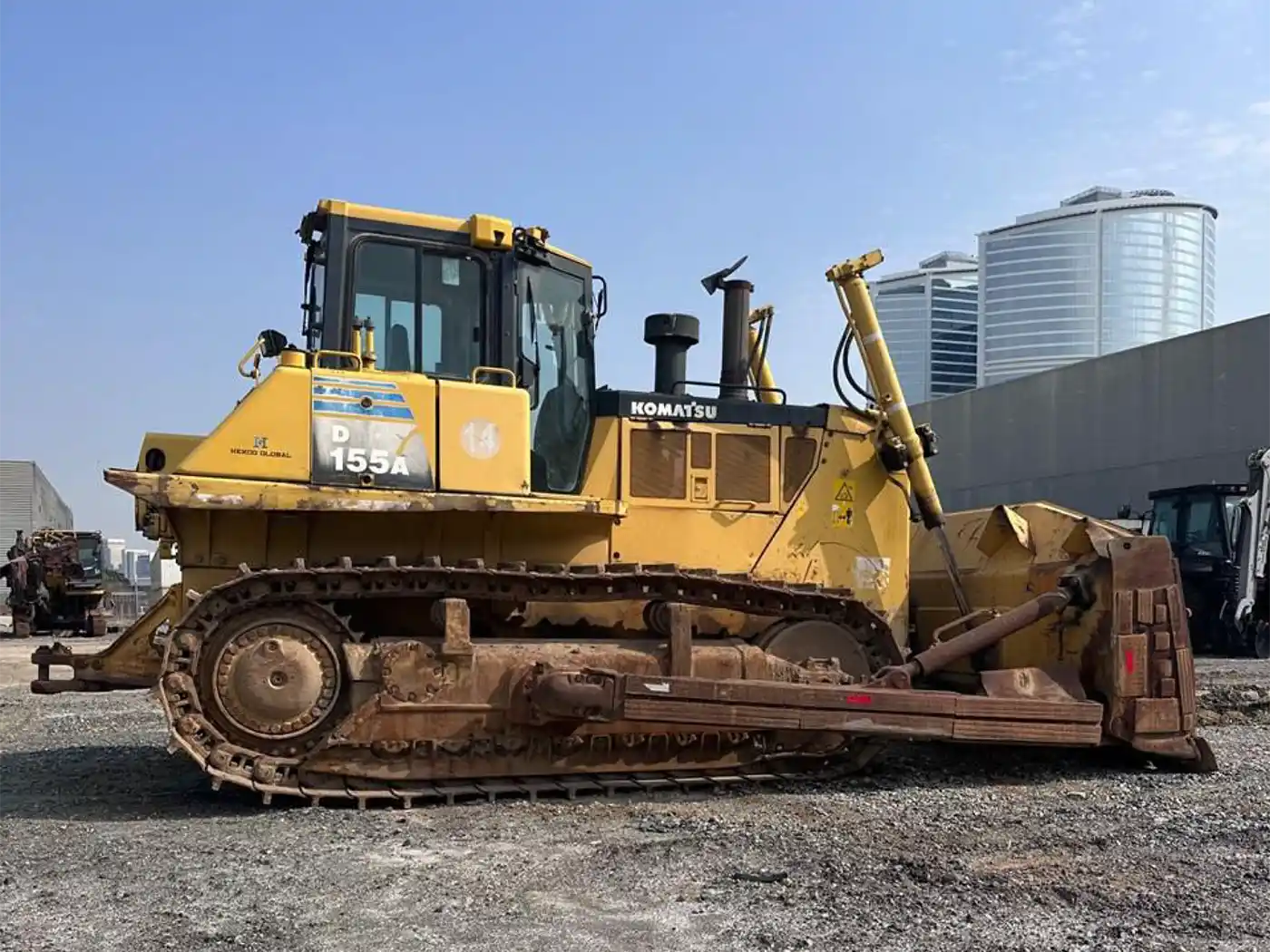
Heavy equipment plays a critical role in construction, mining, road development and infrastructure projects. However, as machines age, maintenance costs increase, performance may decline, and unexpected breakdowns can affect project timelines. For equipment owners and fleet managers, one important question arises: should they repair the existing machine, rebuild it, or invest in a replacement?
Making the right decision requires evaluating more than the machine's age. Its operating condition, maintenance history, future workload and overall ownership costs must also be considered.
When Is Repair the Right Choice?
Repairing a machine is often the most practical option when the problem is limited to specific components and the equipment remains in good overall condition. Replacing worn hydraulic hoses, repairing electrical systems, servicing the cooling system or addressing minor engine issues can restore performance without requiring a major investment.
Repairs are particularly suitable when the machine has a reliable service history, structural components remain sound, and spare parts are readily available.
However, repeated repairs can become expensive. If breakdowns occur frequently or the machine requires constant attention, the cumulative cost may outweigh the benefits of keeping it in service.
When Should You Consider Rebuilding?
Rebuilding can be a cost-effective alternative when a machine's major components have deteriorated but its overall structure remains suitable for continued operation.
Depending on the machine's condition, a rebuild may involve an engine overhaul, transmission refurbishment, hydraulic system restoration, undercarriage replacement or other major component work.
A properly planned rebuild can extend the machine's useful life, improve reliability and reduce the capital expenditure required to purchase another unit. It may also allow businesses to retain familiar equipment while reducing the risk associated with acquiring an unfamiliar machine. Before proceeding, owners should obtain a detailed inspection and a realistic estimate of rebuilding costs. It is equally important to confirm that the refurbished machine will meet future operational requirements.
When Is Replacement the Better Investment?
Replacing ageing equipment may be the better decision when repair costs continue to rise, downtime becomes frequent, or the machine no longer meets productivity requirements.
Newer equipment may offer improved fuel efficiency, enhanced operator comfort, better safety features and more advanced monitoring technology. These advantages can contribute to lower operating costs and improved productivity over time.
However, purchasing new machinery requires significant capital investment. Depending on the project's requirements and budget, a well-maintained used or professionally refurbished machine may provide a more suitable alternative.
Evaluate the Total Cost of Ownership
Before making a decision, equipment owners should compare the total cost of ownership rather than focusing solely on the immediate expense.
Key factors include:
- Repair and rebuilding costs: The estimated investment required to restore reliable operation.
- Downtime: Lost productivity and potential project delays during repairs.
- Fuel consumption: The cost of operating the machine over its expected remaining service life.
- Parts availability: The accessibility and cost of replacement components.
- Resale value: The potential recovery of investment when selling or replacing the equipment.
- Future workload: Whether the machine can meet upcoming project demands efficiently.
Making the Right Decision
There is no universal answer to whether ageing heavy equipment should be repaired, rebuilt or replaced. The best choice depends on the machine's condition, operating requirements and long-term financial value.
Regular inspections, accurate maintenance records and realistic cost comparisons help businesses make informed decisions. In some cases, repairing an existing machine is sufficient. In others, rebuilding can extend its service life, while replacement may offer better long-term value.
Ultimately, the goal is to maximise equipment availability, control operating costs and maintain productivity. By evaluating each machine carefully, construction and mining businesses can make smarter fleet management decisions and ensure their equipment continues to deliver value on every project.
Sponsored by
Hexco Global is a trusted leader in the global construction machinery trade, specializing in the sale of new and used equipment across 35 countries on six continents. With perational branches in the UAE, USA, India, and China, we ensure top-quality machinery and eamless service to meet diverse industry needs. From earthmoving equipment to road construction machines, Hexco provides reliable, cost-effective solutions that drive progress and innovation. Committed to excellence,sustainability, and customer satisfaction, we empower businesses worldwide to build a stronger,more efficient future.
Choose Hexco Global – your partner in constructing success.


Sponsored by
Hexco Global is a trusted leader in the global construction machinery trade, specializing in the sale of new and used equipment across 35 countries on six continents. With perational branches in the UAE, USA, India, and China, we ensure top-quality machinery and eamless service to meet diverse industry needs. From earthmoving equipment to road construction machines, Hexco provides reliable, cost-effective solutions that drive progress and innovation. Committed to excellence,sustainability, and customer satisfaction, we empower businesses worldwide to build a stronger,more efficient future.
Choose Hexco Global – your partner in constructing success.
This article was written and sponsored by Hexco Global.
To feature your business in sponsored content, contact: sales@plantandequipment.com