



تاريخ الاعلان
ماي ٠٧, ٢٠٢٦
|
كيف تعمل قطع غيار الشاحنات المجددة على إعادة تشكيل اقتصاديات الأساطيل وسلاسل التوريد والاستدامة في عام 2026
كيف تعمل قطع غيار الشاحنات المجددة على إعادة تشكيل اقتصاديات الأساطيل وسلاسل التوريد والاستدامة في عام 2026
تاريخ الاعلان
ماي ٠٧, ٢٠٢٦
|
مُقدّم إليك بواسطة

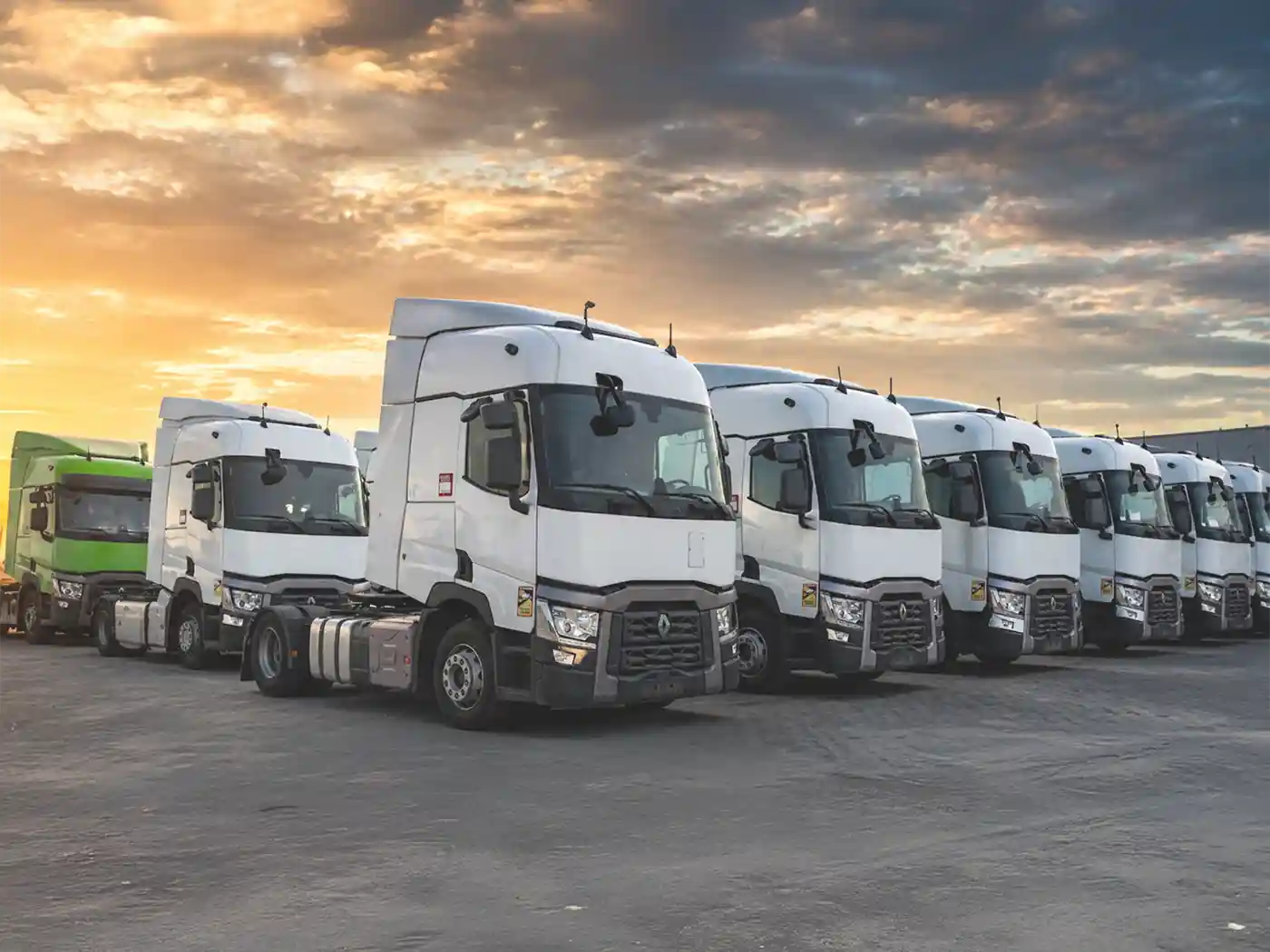
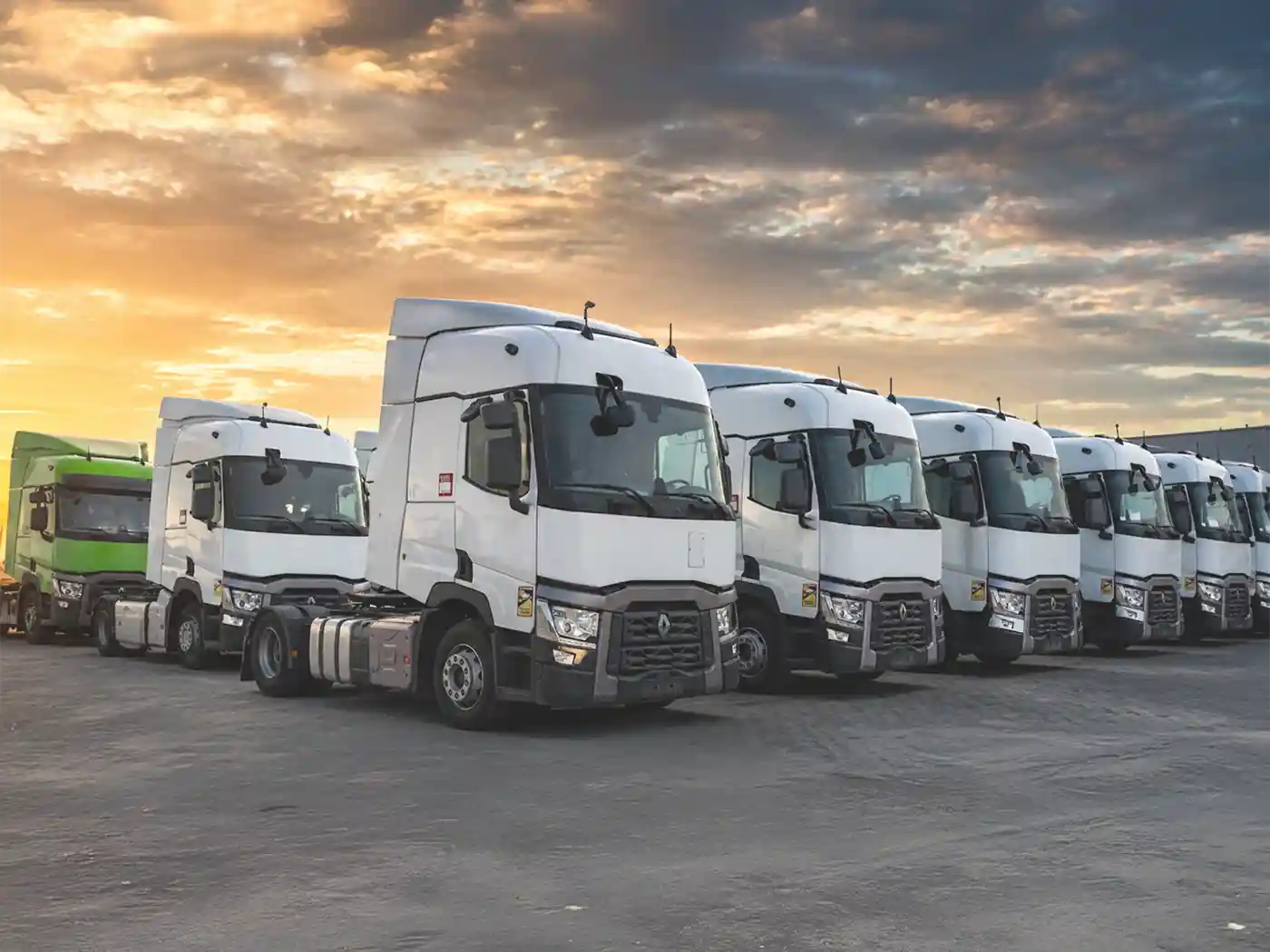
تكاليف أقل، وسلاسل توريد أقوى، وتأثير قابل للقياس على الاستدامة؛ أصبح التجديد ركيزة أساسية لإدارة الأساطيل الحديثة.
صيانة الأساطيل تدخل مرحلة جديدة
يواجه مشغلو الأساطيل في عام 2026 بيئة تشغيلية مختلفة جذريًا.
فارتفاع تكاليف المكونات، والاضطرابات المستمرة في سلاسل التوريد، والضغط المتزايد لتحقيق أهداف الاستدامة، كل ذلك يجبر على إعادة تقييم نماذج الصيانة التقليدية.
أثبت النهج القديم المتمثل في الاعتماد حصريًا على قطع الغيار الجديدة، والطلب، والتركيب، والاستبدال، أنه غير فعال بشكل متزايد. فهو مكلف، وعرضة للتأخير، ولا يتوافق مع التوقعات المتطورة الموضوعة على مشغلي الأساطيل.
استجابةً لذلك، يجري حالياً تحول هيكلي. لم تعد قطع غيار الشاحنات المجددة تُعتبر خياراً بديلاً، بل أصبحت مكوناً استراتيجياً مدروساً لعمليات الأساطيل. تساهم شركات مثل Eco Commercial Solutions (ECS) في هذا التحول من خلال تقديم حلول تجديد منظمة تتوافق مع المتطلبات التشغيلية الحديثة.
إعادة تعريف اقتصاديات الأساطيل
الأسباب الاقتصادية للتجديد واضحة ويصعب تجاهلها بشكل متزايد.
يمكن أن توفر المكونات المجددة عالية الجودة وفورات بنسبة 40-60٪ مقارنة بقطع غيار OEM الجديدة، مع الحفاظ على معايير الأداء عند معالجتها من خلال دورات تجديد خاضعة للرقابة. بالنسبة لمشغلي الأساطيل الذين يديرون أعدادًا كبيرة من المركبات، تترجم هذه الوفورات مباشرة إلى تحسين كفاءة التكلفة وخفض التكلفة الإجمالية للملكية.
والأهم من ذلك، أن التجديد يوفر مستوى من التحكم في التكاليف يصعب تحقيقه من خلال التوريد التقليدي. من خلال تقليل الاعتماد على الأسعار المتقلبة، وفترات التسليم الطويلة، والمشتريات الطارئة، يحصل مشغلو الأساطيل على قدر أكبر من القدرة على التنبؤ بنفقات الصيانة.
وبدلاً من أن يكون التجديد إجراءً لتوفير التكاليف على المدى القصير، فإنه أصبح جزءًا لا يتجزأ من كيفية إدارة الأساطيل للأداء المالي على المدى الطويل.
تعزيز استراتيجيات الصيانة الاستباقية
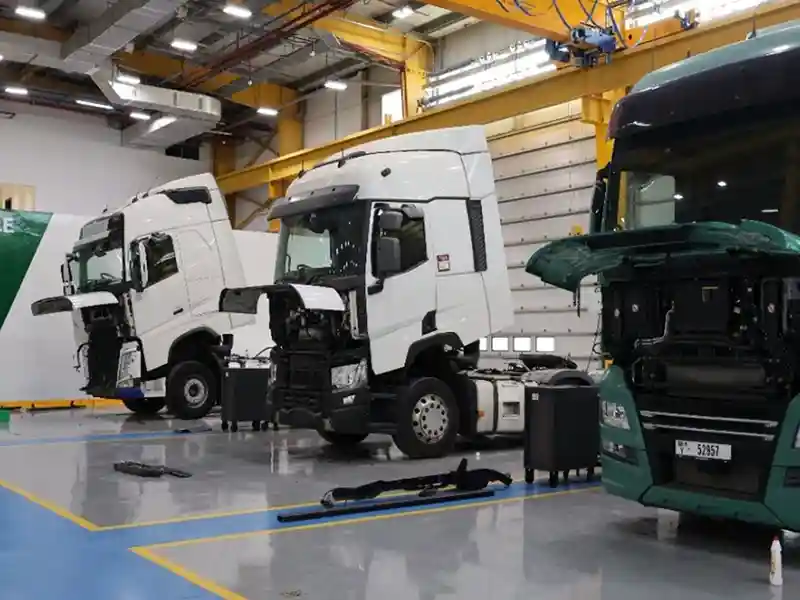
لطالما كانت الصيانة الاستباقية مجالًا أساسيًا لمشغلي الأساطيل المحترفين. ما يتغير في عام 2026 هو الطريقة التي تعزز بها الأساطيل استراتيجيات الصيانة الاستباقية ( ) من خلال التوريد الأكثر ذكاءً، والتخطيط الأفضل لدورة الحياة، وتوافر قطع الغيار الأكثر مرونة.
في إطار هذا النموذج، تلعب المكونات المجددة دورًا متزايد الأهمية. من خلال عمليات التجديد الموحدة والخاضعة للرقابة، يمكن إعادة المكونات الرئيسية، بما في ذلك الشاحنات التوربينية وحاقنات الوقود والمبردات والمبردات البينية والضواغط والمكثفات، إلى معايير الأداء الموثوقة ودمجها في دورات الصيانة المخطط لها.
يتيح هذا النهج للأساطيل ما يلي:
- إطالة العمر الافتراضي للمكونات الرئيسية دون الحاجة إلى استبدالها بالكامل على الفور
- تقليل تأثير نقص قطع الغيار على الصيانة المجدولة
- تحسين أوقات إنجاز الخدمة
- تحسين تخطيط الميزانية والقدرة على التنبؤ بالعمليات
تدعم ECS هذا النموذج من خلال دورات تجديد منظمة، والتحقق من صحة المكونات، وإمكانية التتبع، ومراقبة الجودة المستمرة، مما يضمن أن الأجزاء المجددة تكمل ممارسات الصيانة الحالية بدلاً من تعطيلها.
تعزيز مرونة سلسلة التوريد
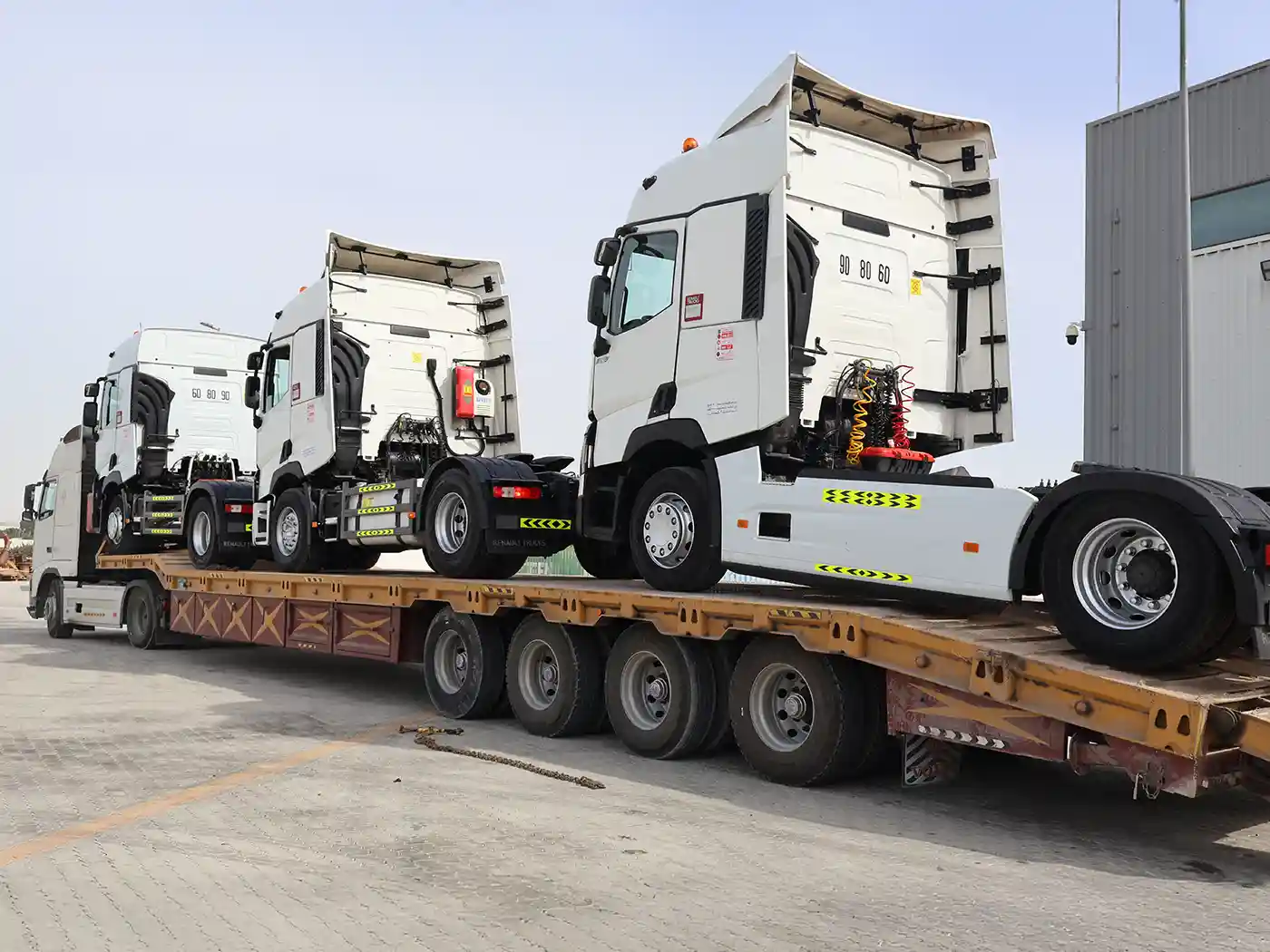
كشفت السنوات القليلة الماضية عن نقاط الضعف في الاعتماد حصريًا على تصنيع قطع الغيار الجديدة وشبكات اللوجستيات العالمية.
أدت اضطرابات سلسلة التوريد، بدءًا من ازدحام الموانئ وتأخيرات الإنتاج وصولًا إلى عدم الاستقرار الإقليمي، إلى إطالة فترات التسليم وقلة الكفاءة التشغيلية في جميع أنحاء الصناعة.
يوفر التجديد بديلاً عمليًا وأكثر أهمية.
من خلال الاستفادة من المكونات الأساسية القابلة لإعادة الاستخدام الموجودة بالفعل داخل النظام البيئي، تقلل الأجزاء المجددة من الاعتماد على دورات الإنتاج الجديدة والاعتماد على الشحن الدولي. وينتج عن ذلك:
- مواعيد تسليم أقصر وأكثر قابلية للتنبؤ
- تحسين توافر المكونات الحيوية
- تقليل التعرض لصدمات سلسلة التوريد الخارجية
بالنسبة للأساطيل التي تعمل في مناطق مثل دول مجلس التعاون الخليجي وأفريقيا، حيث يمكن أن يكون للاضطرابات اللوجستية تأثير مضاعف، يساهم التجديد بشكل مباشر في استمرارية العمليات وتخفيف المخاطر.
الاستدامة ذات التأثير التشغيلي الملموس
لم تعد الاستدامة اعتبارًا هامشيًا في عمليات الأساطيل؛ بل أصبحت عاملاً قابلاً للقياس ومتزايد التأثير في عملية صنع القرار.
تدعم المكونات المجددة مبادئ الاقتصاد الدائري من خلال إطالة دورة حياة المواد الموجودة وتقليل الطلب على عمليات التصنيع كثيفة الاستهلاك للطاقة.
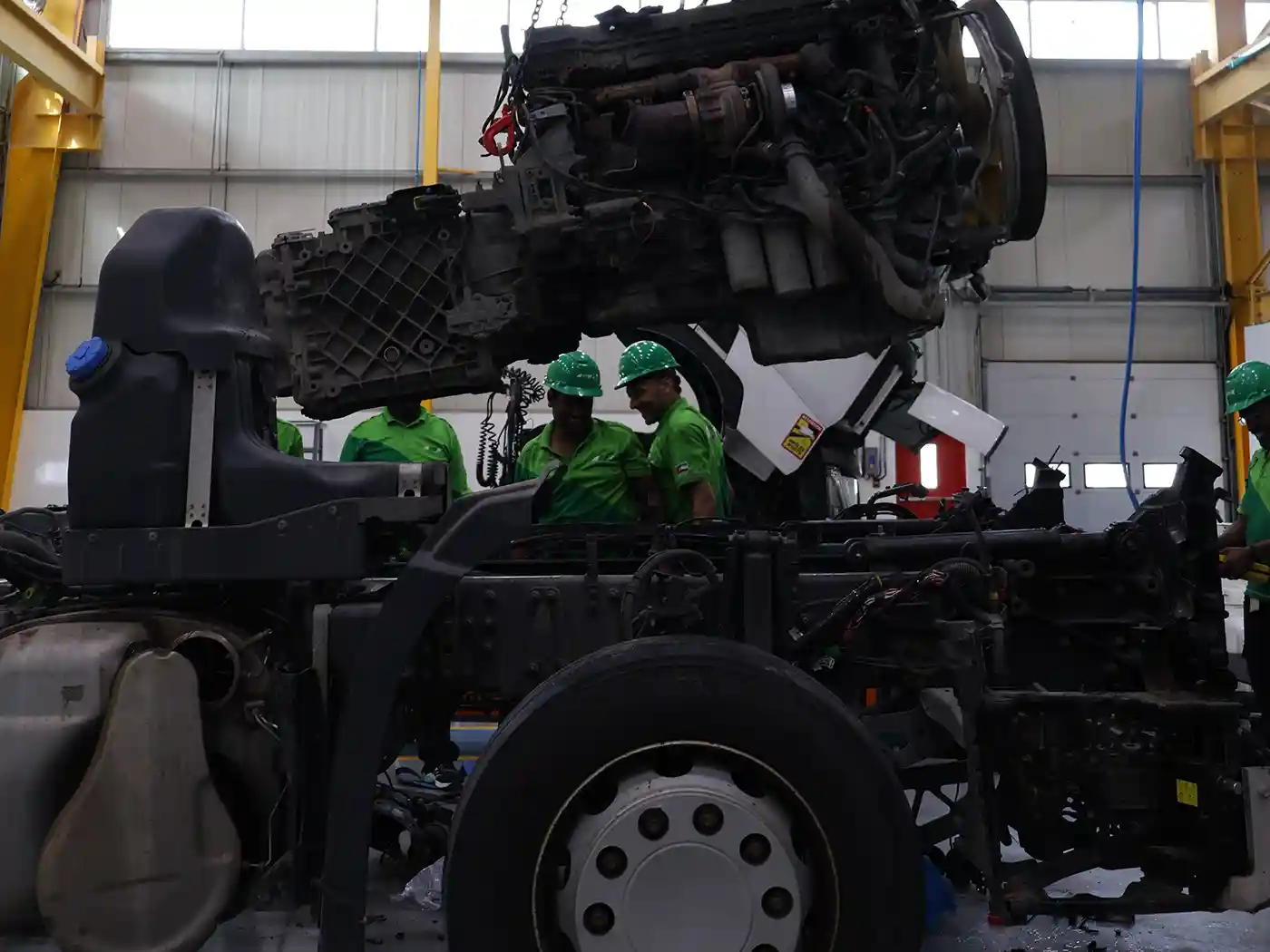
بالمقارنة مع إنتاج قطع غيار جديدة، يمكن للتجديد أن:
- يقلل بشكل كبير من انبعاثات الكربون خلال دورة الحياة
- خفض استهلاك المواد الخام
- تقليل النفايات الصناعية
تطبق ECS عمليات تجديد خاضعة للرقابة وخالية من المواد الكيميائية مصممة لتقليل الأثر البيئي بشكل أكبر مع الحفاظ على سلامة المكونات. لا يدعم هذا النهج تقليل الانبعاثات فحسب، بل يعزز أيضًا الممارسات الصناعية الأكثر نظافة وأمانًا.
بالنسبة لمشغلي الأساطيل، يكون التأثير بيئيًا وتجاريًا على حد سواء:
- يقلل من انبعاثات سلسلة القيمة المرتبطة بتصنيع قطع الغيار الجديدة
- تعزيز مصداقية تقارير ESG وتوافقها مع المتطلبات التنظيمية المتطورة
- التوافق مع توقعات العملاء والمتطلبات التنظيمية
والأهم من ذلك، يتم تحقيق هذه الفوائد المستدامة جنبًا إلى جنب مع تحسينات في كفاءة التكلفة والأداء التشغيلي، مما يعزز التجديد كحل عملي وقابل للتطوير.
تحول في نظرة الصناعة
لقد تطورت نظرة الصناعة إلى قطع الغيار المجددة بشكل كبير.
وقد عالجت التطورات في توحيد العمليات وضمان الجودة والشفافية العديد من المخاوف التي كانت تحد من اعتمادها في السابق.
واليوم، تزداد الثقة في أن المكونات المجددة ستقدم أداءً ثابتًا عندما يتم الحصول عليها من خلال عمليات منظمة وخاضعة للرقابة.
ونتيجة لذلك، لم يعد التجديد مرتبطًا بالتنازلات. وبالنسبة لعدد متزايد من مشغلي الأساطيل، يمثل التجديد بديلاً متوازنًا وموثوقًا يحقق الأهداف التشغيلية والمالية على حد سواء.
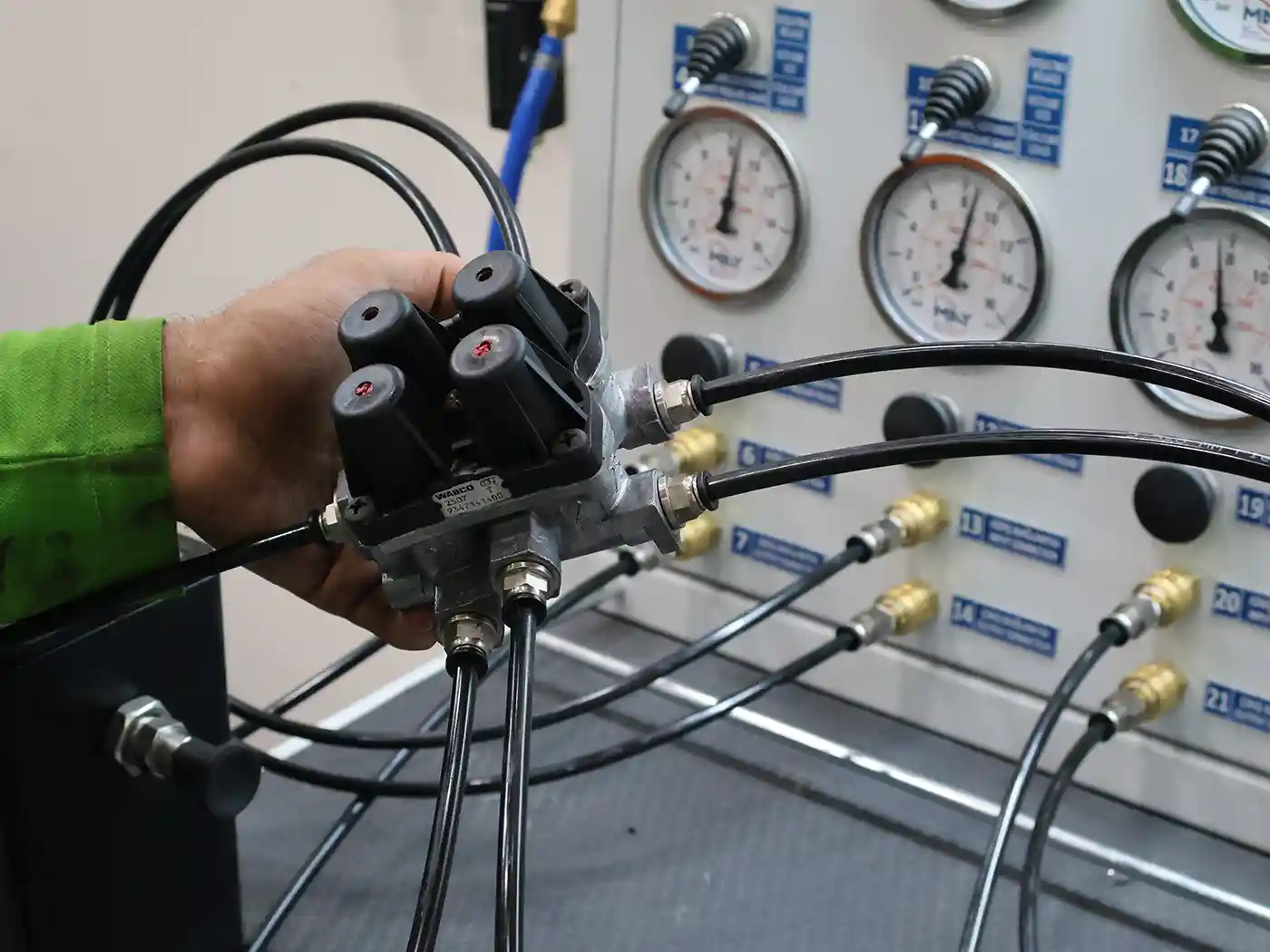
التكنولوجيا كعامل تمكين
تعمل الرقمنة على تسريع دمج التجديد في استراتيجيات الأساطيل.
تتيح أنظمة إدارة الأساطيل الحديثة وأدوات الصيانة التنبؤية ومنصات الشراء للمشغلين ما يلي:
مراقبة أداء المكونات في الوقت الفعلي
- تتبع دورات التجديد وسجل الاستخدام
- تحسين تخطيط المخزون والمشتريات
- دمج المكونات المجددة في استراتيجيات الصيانة طويلة الأجل
يحول هذا النهج القائم على البيانات عملية التجديد من قرار تجاري إلى نموذج تشغيلي منظم وقابل للتكرار.
خلاصة القول
تشهد إدارة الأساطيل في عام 2026 تحولاً جذرياً بفعل مجموعة من العوامل، منها الضغوط الاقتصادية وواقع سلسلة التوريد وتوقعات الاستدامة.
لم تعد قطع غيار الشاحنات المجددة مجرد خيار بديل، بل أصبحت ركيزة أساسية في كيفية إدارة الأساطيل للتكاليف وضمان الاستمرارية وتحقيق الأهداف البيئية.
الفوائد واضحة ومتراكمة:
- تحسين اقتصاديات الأسطول
- تعزيز مرونة سلسلة التوريد
- تقليل وقت التعطل التشغيلي
- تأثير قابل للقياس على الاستدامة
بالنسبة لمشغلي الأساطيل الذين يسعون إلى بناء عمليات أكثر كفاءة ومرونة واستعدادًا للمستقبل، لم يعد التجديد مسألة "إذا"، بل مسألة مدى السرعة التي يمكن بها دمجه في نموذجهم التشغيلي.
مموّل من قِبل
تتخصص إيكو كوميرشال سوليوشنز (ECS) في قطع الغيار المُجدَّدة للشاحنات والمكونات والمركبات التجارية المستعملة لصناعة النقل والخدمات اللوجستية العالمية. ومع تركيز قوي على الجودة والموثوقية والاستدامة تقدم ECS حقانات ومحركات وعلب تروس ومكونات شاحنة حيوية مجددة ومختبرة ومعتمدة لأبرز العلامات التجارية.
من خلال الاختبارات المتقدمة ومعايير التجديد المنظمة ونهج الاقتصاد الدائري، تساعد ECS مشغلي الأساطيل وورش العمل والعملاء في التصدير على تقليل وقت التوقف والسيطرة على تكاليف الصيانة وتقليل الأثر البيئي. تركز عملياتنا على قابلية التتبع وضمان الأداء والاستخدام المسؤول للموارد لدعم كفاءة الأسطول طويلة الأمد في الأسواق الإقليمية والدولية.


مموّل من قِبل
تتخصص إيكو كوميرشال سوليوشنز (ECS) في قطع الغيار المُجدَّدة للشاحنات والمكونات والمركبات التجارية المستعملة لصناعة النقل والخدمات اللوجستية العالمية. ومع تركيز قوي على الجودة والموثوقية والاستدامة تقدم ECS حقانات ومحركات وعلب تروس ومكونات شاحنة حيوية مجددة ومختبرة ومعتمدة لأبرز العلامات التجارية.
من خلال الاختبارات المتقدمة ومعايير التجديد المنظمة ونهج الاقتصاد الدائري، تساعد ECS مشغلي الأساطيل وورش العمل والعملاء في التصدير على تقليل وقت التوقف والسيطرة على تكاليف الصيانة وتقليل الأثر البيئي. تركز عملياتنا على قابلية التتبع وضمان الأداء والاستخدام المسؤول للموارد لدعم كفاءة الأسطول طويلة الأمد في الأسواق الإقليمية والدولية.
اسم الشركة إيكو كوميرشال سوليوشنز (ECS).
لإبراز عملك من خلال محتوى إعلاني، يرجى التواصل عبر: sales@plantandequipment.com